
By Toyota Montgomery, Toyota of Montgomery. Purchasing a used Toyota involves multiple financing decisions that can be difficult to navigate. This guide explains the available options and clarifies which choices may suit different financial situations. It covers loans, leases and credit solutions so Montgomery buyers can make informed financing decisions. This article outlines practical options and strategies to secure affordable financing. Key sections detail financing types, credit solutions, eligibility requirements and tips for improving terms. By following this guidance, Montgomery buyers should feel better prepared to evaluate their financing choices and to discuss offers confidently with lenders and dealers.
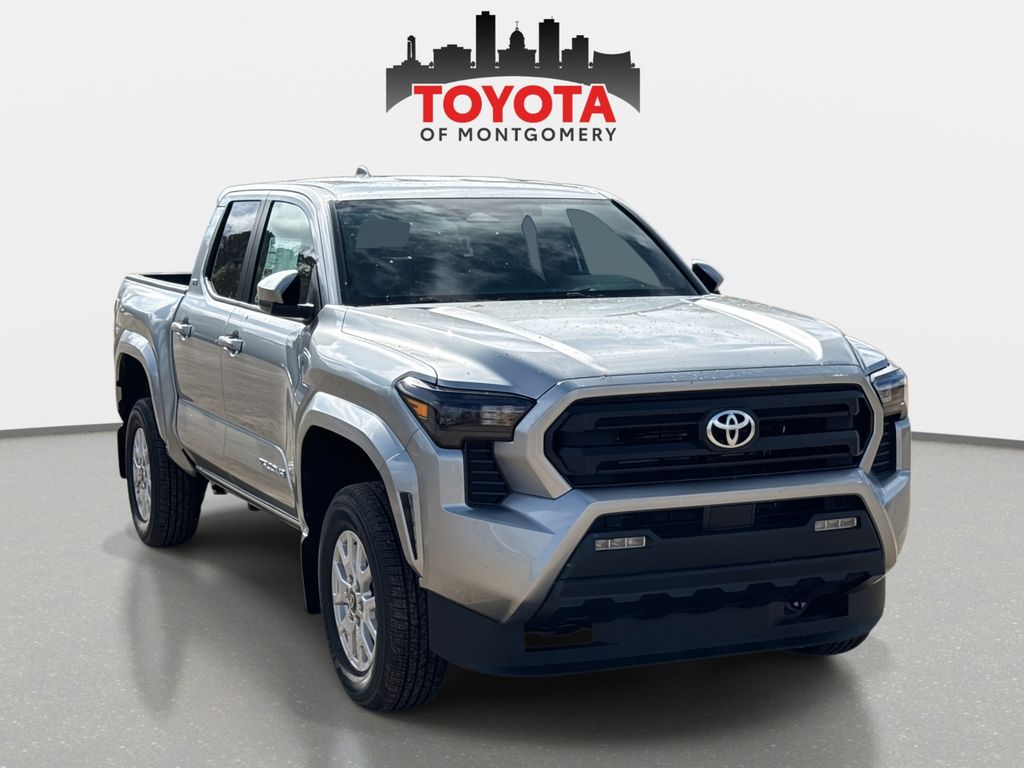
Reviewing financing choices early clarifies payment expectations and affects the vehicle’s total cost. Understanding terms and local dealership offerings, such as those from Toyota of Montgomery, helps buyers avoid common pitfalls and select the most suitable plan.
Timing your purchase, inspecting the vehicle, reviewing the vehicle history, and comparing offers from multiple lenders are practical steps that reduce surprises. Early research also helps you identify whether a particular used Toyota qualifies for certified pre-owned (CPO) benefits, manufacturer-backed warranties, or dealer incentives that improve the overall value of the transaction.
Whether you plan to buy from a franchised dealer, an independent lot, or a private seller, financing realities differ. Dealers often provide in-house financing and promotional plans, while banks and credit unions offer loans directly to consumers. Understanding the distinction between the sale price and financed amount (including fees and add-ons) is essential to comparing true costs.
Common options include conventional auto loans, leasing contracts and special financing programs for buyers with specific needs. Each option has distinct terms, repayment schedules and interest implications that influence overall affordability.
| Financing Type | Description | Typical Loan Terms | Interest Rates |
|---|---|---|---|
| Auto Loans | Conventional lines of credit offered by banks or credit unions | 36-72 months | 3.5% - 7.0% |
| Leasing Options | Short-term contracts allowing buyers to use a vehicle without ownership | 24-36 months | 2.0% - 5.0% |
| Special Financing | Programs for first-time buyers or individuals with lower credit scores | Varies | 5.0% - 15.0% |
Comparing these options enables Montgomery buyers to select the plan that best matches their budget and driving needs. Below are detailed explanations and practical considerations for each option to help you decide.
Assess long-term goals and budget limits, including expected maintenance, insurance and depreciation. Choose the option that aligns with driving patterns and financial capacity to ensure payments remain manageable.
Key factors to weigh when comparing options:
Use a side-by-side worksheet when comparing offers. List purchase price, down payment, financed amount, APR, term length, monthly payment, and total interest to identify the true cost. This simple comparison often reveals that the lowest monthly payment isn’t always the best long-term deal.
Understanding credit solutions is key to obtaining competitive rates. Local dealerships, including Toyota of Montgomery, often provide tailored support and credit programs for different borrower profiles.
Buyers with varied credit histories can access personalised financing, including pre-approval processes that strengthen negotiating position. Reputable dealers typically offer guidance to first-time buyers and those rebuilding credit. Working with a lender to review credit reports, identify errors, and discuss affordable payment structures can produce better outcomes than accepting the first financing offer presented.
Common credit solutions to explore:
Credit scores strongly influence approval decisions and interest rates. Higher scores generally secure lower rates and better terms, while lower scores may still qualify for financing through specialised programs offered by local dealers.
When you apply for financing, lenders evaluate more than a single number: they look at payment history, outstanding debt levels, length of credit history, and recent credit inquiries. Improving aspects of your credit profile—paying down revolver balances, correcting reporting errors, and establishing a steady payment history—can materially affect the offers you receive.
Knowing eligibility requirements simplifies the application process. Typical documentation includes proof of income, valid identification, a credit history report and trade-in valuation when relevant.
Additional items lenders may request include proof of residence (utility bill), bank statements, tax returns for self-employed applicants, and a list of monthly obligations. Preparing digital and printed copies of these documents ahead of time shortens processing and reduces the chance of delays.
If you have a trade-in, gather service records and recent repairs documentation to strengthen the vehicle’s valuation. A well-documented trade-in can reduce the financed amount or add negotiation leverage on the purchase price.
The following practical steps can improve financing outcomes for Montgomery buyers.
Additional negotiation and cost-saving tips:
Dealerships such as Toyota of Montgomery can structure financing plans to accommodate a range of credit profiles, widening access to vehicle ownership while managing risk for lenders. Flexible plans might include graduated payment structures, slightly higher APRs with reasonable terms, or referral to specialised lenders willing to work with borrowers who are rebuilding credit.
Discuss options for secured loans where the vehicle itself serves as collateral, programs that include mandatory budgeting or counseling components, and manufacturer-backed CPO financing incentives that can improve terms for qualified buyers.
Online financing calculators provide monthly payment estimates based on vehicle price, loan term and interest rate, helping buyers determine which payments fit their budget. Use calculators to compare scenarios with different down payments and term lengths.
Typical monthly payment calculation (amortizing loan):
Monthly payment = P × r × (1 + r)^n / ((1 + r)^n − 1),
where P is the loan principal, r is the monthly interest rate (annual APR divided by 12), and n is the number of months. Running a few scenarios—shorter term with higher monthly payment versus longer term with lower monthly payment—illustrates the trade-off between cashflow and total interest paid.
Example scenario: use the calculator to compare how a larger down payment lowers the principal and reduces both the monthly payment and total interest. While the exact figures depend on the APR and term, this process gives concrete guidance when negotiating.
Evaluate warranty coverage, dealership service specials and maintenance programmes when comparing used Toyotas. These elements affect long-term cost and ownership satisfaction.
Other add-ons to consider and evaluate carefully:
Seek dealerships that offer special financing programs designed for borrowers with lower credit. These programs may require a co-signer and typically feature more flexible approval criteria. At the same time, focus on timely payments and debt reduction to improve credit and qualify for better terms over time. If possible, save for a larger down payment to reduce the financed amount and increase approval likelihood.
Financing can include fees such as loan origination, processing or documentation charges, and possible early repayment penalties. Review the loan agreement carefully and request clarification on any fees before signing. Ask for a written breakdown of all fees so you can compare net financed amounts between lenders.
Yes. Use pre-approval offers as leverage, compare offers from multiple lenders and discuss fees and rates with the dealer. Clear knowledge of your budget and market rates strengthens negotiating position. When negotiating, separate the vehicle price from the financing terms: negotiate the selling price first, then decide whether to accept dealer financing vs an outside lender.
Financial guidance commonly recommends keeping monthly car payments below 15% of take-home pay, including insurance and basic operating costs, to maintain overall budget balance. Calculate the full monthly ownership cost—loan payment, insurance, fuel, and a maintenance allowance—before committing to a payment plan.
Typical documentation includes proof of income or employment, a valid form of identification such as a driver’s license, and a credit history report. Provide trade-in valuation documents if applicable to speed processing. For self-employed buyers, recent tax returns and bank statements may be required. Bring proof of insurance or be prepared to show how you will insure the vehicle before taking delivery.
The decision depends on financial goals and driving habits. Leasing tends to lower monthly payments and suits drivers who prefer newer models, while buying offers eventual ownership and potential long-term value. Assess expected mileage and ownership intentions when deciding. If you drive many miles yearly or want long-term ownership without continual payments, a purchase is typically preferable; if you like new cars and predictable short-term costs, leasing may be attractive when available on used or nearly-new inventory.
Warranties reduce exposure to repair costs and can influence financing choices. Some warranty plans may be financed as part of the loan; discuss available coverage and costs with the dealer to understand implications. Consider whether the warranty reduces your expected out-of-pocket maintenance enough to justify its added cost financed into the loan.
Understanding used Toyota financing options enables Montgomery buyers to choose plans that match their budgets and goals. Toyota of Montgomery and similar dealers offer various financing paths and support to simplify the purchase process. For personalised guidance, contact the finance team at Toyota of Montgomery to review available options.
Before signing, compare written offers, confirm all fees, and run numbers for multiple scenarios to see the true cost of each financing option. With careful preparation—document readiness, pre-approval, and clear priorities—you can secure a financing plan that meets both short-term cashflow needs and long-term ownership goals.
 EN
EN ES
ES