
By Toyota Montgomery, Toyota of Montgomery. Maximising the trade-in value of your Toyota is an important step when upgrading or downsizing. Value is determined by condition, age, market demand and dealership policies. This article outlines practical strategies to secure the best trade-in value in Montgomery, explains how appraisals are calculated, and describes the advantages of trading at Toyota of Montgomery. With preparation and a clear understanding of the process, you can use your vehicle’s value effectively toward your next purchase. The trade-in process can be complex; this guide simplifies it. We explain how to prepare your vehicle, the elements that affect an appraisal, and how applying trade-in equity can streamline financing. We also summarise competitive trade-in offers at Toyota of Montgomery and the local market factors that influence pricing. Beyond the immediate transaction, knowing how trade-in works can help you plan the timing of a purchase, choose between selling privately or trading, and reduce stress during negotiation. The practical tips here are intended to be actionable—small investments in cleaning, minor repairs, and documentation often deliver measurable increases in offers.
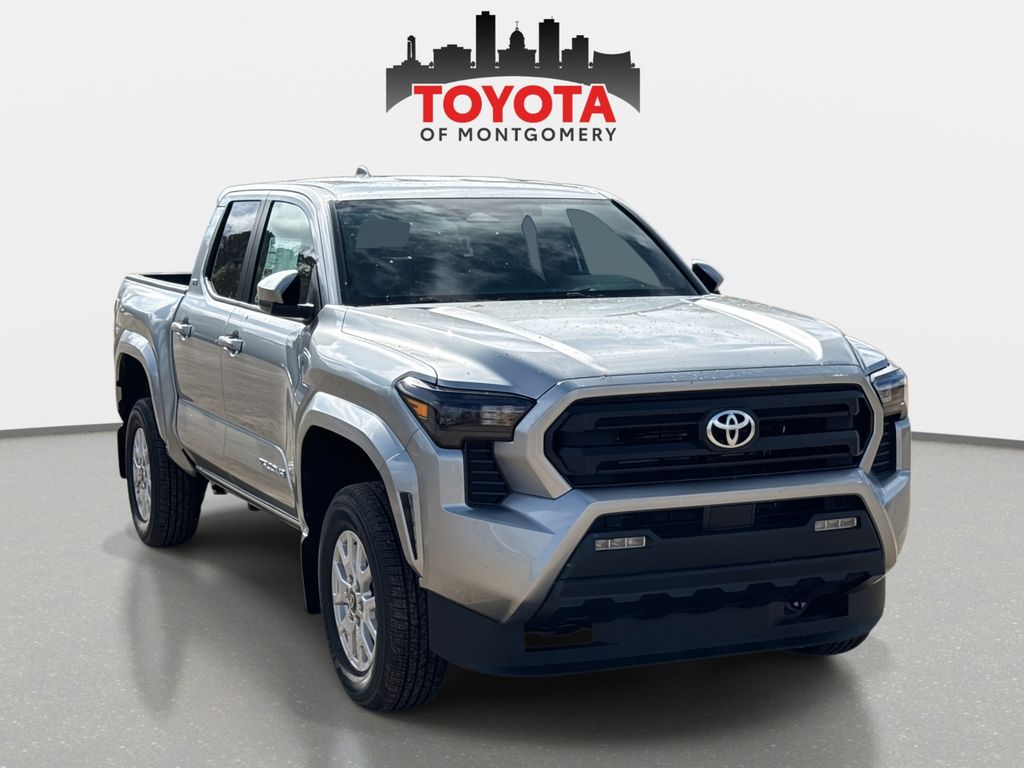
To obtain the best appraisal for your Toyota, focus on three areas: preparation, timing and documentation. Each reduces uncertainty for the appraiser and can improve the offer you receive.
Applying these steps consistently will help raise the appraisal value of your vehicle. Prepare a simple checklist before the appraisal: wash and vacuum the car, top off fluids, check tire pressure and tread, replace burned bulbs or wipers, and gather service records and title information. A tidy, well-documented vehicle reduces negotiating friction and often shortens inspection time.
Trade-in value reflects both market conditions and the vehicle’s measurable attributes. Key inputs include local demand, the car’s physical and mechanical condition, and the model’s age and popularity.
Dealers typically combine publicly available guides with local sales data and their own inventory needs when producing an offer. It helps to check comparable local listings for vehicles like yours so you understand the market band for trim, mileage and condition—this context makes negotiation more effective.
Appraisal accuracy depends on variables that may change over time or differ by location. Recognising these variables clarifies why offers can vary between appraisals.
Other factors that can shift an estimate include trim level, optional equipment and regional preferences (for example, certain body styles or drivetrain options may be more desirable in local markets). Getting multiple estimates at different times or from different dealers can reveal how variable offers may be.
Toyota of Montgomery uses a transparent, multi-step appraisal process to provide fair valuations. The approach combines initial online estimates with in-person inspections and clear evaluation criteria to support consistent outcomes.
Inspectors at the dealership are trained to note wear, damage, and maintenance indicators consistently, and they can often explain how specific items on the vehicle affect value. If you have recent receipts for work performed, presenting them during inspection can immediately improve confidence and reduce time spent verifying service history.
Trading in at Toyota of Montgomery offers financial and practical benefits that simplify the vehicle exchange and purchasing process.
Another advantage is the immediate ability to apply the trade-in credit toward a purchase at the same location, which can reduce paperwork and close the transaction more quickly than selling privately and then buying elsewhere. Staff can also walk you through payoff handling for existing loans, if applicable.
Applying trade-in equity reduces the amount you need to finance and can improve monthly affordability. This section summarises the direct financial effects and how they simplify loan arrangements.
Dealers will often coordinate with lenders to apply the trade-in credit directly when calculating loan amounts. If you owe a remaining balance on your current loan, the dealer can clarify whether that payoff will be handled as part of the new transaction or rolled into new financing.
Local dealerships, including Toyota of Montgomery, often run promotions and special offers that can increase trade-in valuations. Market conditions and seasonal incentives influence the competitiveness of these offers.
To find the best offer, consider requesting online estimates from multiple local dealerships and bring any printed or digital comparables to the appointment. Timing trades around promotions or inventory needs can deliver noticeably higher offers than trading at off-peak times.
The trade-in process at Toyota of Montgomery follows clear steps designed for efficiency and transparency. Each stage supports an accurate valuation and a timely offer.
When you arrive for an in-person evaluation, bring the vehicle's key(s), registration, any loan payoff information, and service records to speed the process. Be prepared to discuss recent maintenance and any issues you know about; openness helps the dealer produce a fair, well-documented offer quickly.
The appraisal and trade-in process is straightforward and follows a predictable sequence that customers can prepare for in advance.
Typical timelines: online estimates may be immediate or within a few hours, inspections often take under an hour, and final offers are usually available the same day. Having paperwork organized and a clean vehicle lets the process move smoothly and reduces the chance of unexpected adjustments to the offer.
Preparing your Toyota before appraisal improves perceived value and can lead to stronger offers. Focus on cleanliness, documentation and timing to present the vehicle at its best.
Small, inexpensive fixes—such as replacing worn floor mats, fixing a loose trim piece, or addressing a check-engine light—can remove common buyer objections. Take photos of recent service receipts and compile them in a folder or digital file to hand to the appraiser, demonstrating consistent maintenance history.
Using trade-in equity directly lowers the amount you must finance, and may reduce taxes in some jurisdictions. This can make the next purchase more affordable.
Because tax and title rules vary, consider asking the dealership or a tax professional about local implications before finalising the deal. Dealers are generally experienced in applying trade-in credits and can show how the final sales contract reflects those amounts.
Toyota of Montgomery offers several financing paths that can incorporate trade-in equity, allowing customers to select terms that match their financial objectives.
Compare term lengths, down payment requirements and any fees tied to different financing options to choose the plan that best fits your budget and ownership goals. A finance specialist at the dealership can model scenarios showing how varying trade-in values and down payments affect monthly payments.
Trade-in equity directly affects your down payment and monthly loan obligations by reducing the financed amount and potential interest costs.
Even modest increases in trade-in value can shave dollars off monthly payments and reduce interest over the loan term. When comparing offer scenarios, ask for a loan amortization example that includes the applied trade-in credit so you can see the projected savings.
Regional market trends and seasonal demand influence trade-in prices in Montgomery and nearby areas such as River Region and Wetumpka. Monitoring these trends supports better timing decisions.
Track local listings for similar models and watch whether asking prices are stable, rising or falling. Sellers who are flexible on timing can often gain a few percentage points by aligning their trade-in with favorable market windows or dealer promotions.
Certified used Toyotas typically command higher trade-in interest because of inspection standards and warranty coverage. These factors increase dealer confidence and buyer appeal.
Because certified vehicles undergo a standard reconditioning process, dealers know what to expect and can price them more competitively on their used lot. If your vehicle is already certified or close to meeting certified criteria, highlight recent inspections and any remaining warranty coverage at appraisal.
Maximising trade-in price combines thorough preparation, timing and informed negotiation. Each element contributes to a stronger final offer.
Before negotiating, collect a few written or digital estimates to use as leverage and present any documentation that supports higher values, such as recent maintenance or new tires. Being polite but firm and understanding the dealer’s perspective will often produce the best result for both parties.
Specific actions can increase appraisal value: maintain complete service records, present a clean vehicle and be prepared to discuss comparable values during negotiation.
Small investments—like replacing air filters, topping up fluids, or fixing minor cosmetic issues—can be cost-effective ways to protect value. Keep a prioritized to-do list so you can decide which items to address before appraisal based on expected return on investment.
Trading in offers convenience and speed, while private sales may yield higher proceeds but require more time, marketing and negotiation. Each option has distinct trade-offs.
For many sellers, the convenience and reduced risk of a trade-in make it the preferable choice, especially when time or logistics are limiting factors. If maximising dollars is the only priority and you can manage showings, private sale remains an option, but it typically requires more effort and patience.
Research indicates that trade-in strategies often hinge on balancing production costs with rebate offers, influencing whether producers offer such services based on varying consumer behaviors.
Toyota of Montgomery typically delivers trade-in estimates on a prompt schedule designed to respect customers’ time.
To speed the overall timeline, have the vehicle title (if owned outright), loan payoff information (if financed), registration and proof of insurance available when you visit. Clear communication about any recent repairs or damage will also reduce back-and-forth and help produce a timely, accurate offer.
Yes. Trade-in value may be applied to both new and certified pre-owned Toyota purchases, providing flexibility in how the credit is used.
Applying trade-in equity across different purchase types gives you flexibility to negotiate better overall deals. Ask the sales or finance staff how trade-in credits will be reflected in the contract for the purchase you choose.
The best time to trade in is during high-demand periods, such as new model releases or seasonal promotions. Dealerships often increase trade-in activity at these times, which can improve offers. Monitor local market trends and promotions to identify favourable windows.
Use online appraisal tools and consult local listings for comparable vehicles to estimate market value. Combining these resources with recent sales data gives a clearer view of expected trade-in offers. Also note trim, mileage and condition differences when comparing listings.
Additional costs may include payoff amounts for outstanding loans, expenses for required repairs, or administrative fees. Ask the dealership for a full breakdown of any charges to ensure transparency before completing the trade-in. Taxes and title transfer fees vary by jurisdiction, so request an itemized explanation if you have concerns.
Vehicle condition is a primary factor in valuation. Assessors review exterior and interior condition, mechanical performance and visible damage. Addressing minor repairs and presenting a clean, well-maintained vehicle typically improves the offer.
Yes. Negotiation is common and recommended. Bring documentation of maintenance and comparable market values to support your position. Dealers may have leeway to adjust offers, particularly when a sale on a new vehicle is likely.
If your outstanding loan exceeds the trade-in value, the difference is negative equity. That amount can often be rolled into the financing for the new vehicle, but it will increase the financed balance and may raise monthly payments. Discuss options with the dealer to understand the financial impact.
Trading in provides speed and convenience. It eliminates the need to market the vehicle, manage buyer inquiries and complete separate paperwork. Trade-ins also offer immediate credit toward a purchase, which many sellers find more practical than a private sale.
 EN
EN ES
ES