
When it comes to How Can I Determine the Fair Market Value of My Trade-in Vehicle?, fair market value comes from tools like Kelley Blue Book, trusted for over 90 years, and CARFAX History-Based Value, which factors in accidents, service history, owner count, and recall status. Toyota of Montgomery provides an instant trade-in value tool online, letting River Region owners compare estimates before visiting the dealership for a final appraisal.
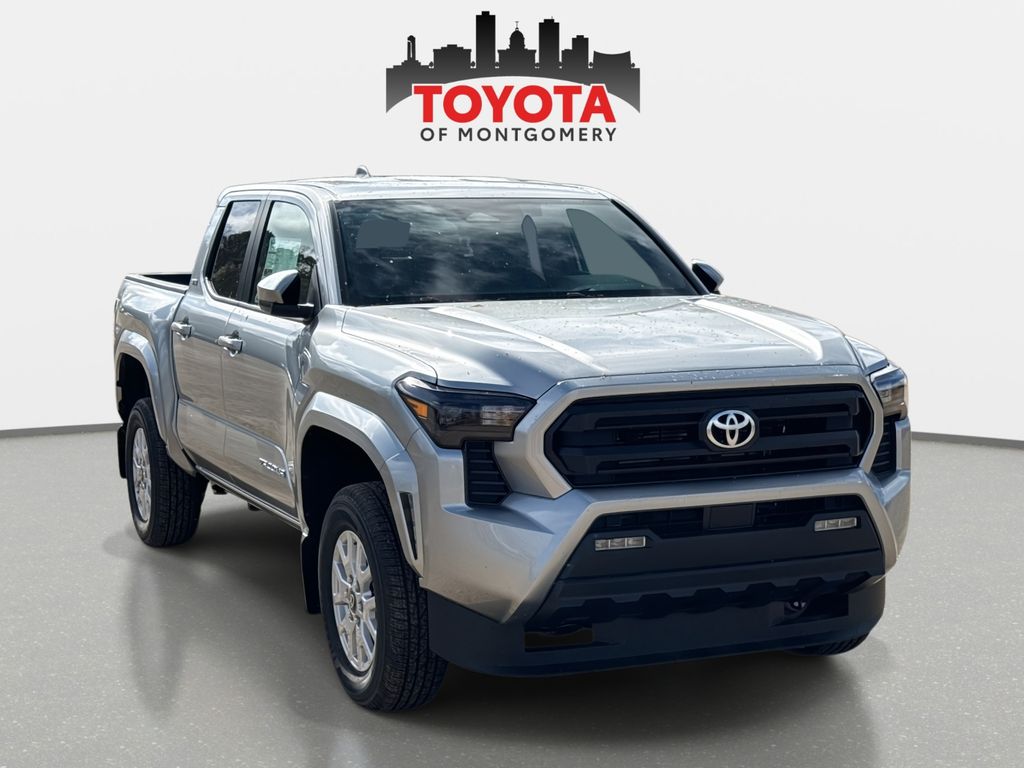
Preparation determines whether a trade-in nets fair value or falls short. Montgomery-area drivers who gather basic facts before visiting a dealership put themselves in a stronger position to negotiate. Toyota of Montgomery, located in Montgomery, AL, serves as a local starting point for River Region drivers seeking trade-in guidance grounded in dealership experience rather than guesswork.
Determining how to establish the fair market value of a trade-in vehicle starts with understanding what shifts pricing from one week to the next. Values move with market conditions, so figures quoted last month may not hold today. Confirming current numbers directly with a dealership avoids the disappointment of arriving with outdated expectations.
Pricing and availability vary by dealership, and a suggested retail price may not match an actual advertised or asking price. Two dealerships can quote different figures for the same vehicle based on local inventory needs and demand. Verifying numbers directly with the dealership before assuming a value protects customers from relying on outdated online estimates.
Before starting a trade-in conversation, drivers benefit from following these steps:
Reviewing new inventory beforehand helps drivers plan their budget and financing needs. Seeing available models in Montgomery clarifies how trade-in equity applies toward a purchase, making the overall process smoother once negotiations begin.
Independent valuation tools calculate a trade-in estimate by comparing a vehicle's year, make, model, and condition against recent sales data in the local market. These tools give Montgomery-area owners a useful starting point before they ever step onto a dealership lot. The numbers they produce vary depending on the type of sale being estimated. Understanding those distinctions helps drivers set realistic expectations when they ask, "how can I determine the fair market value of my trade-in vehicle?"
Kelley Blue Book offers two figures that often confuse first-time sellers. The Trade-In Range shows what an owner can expect to receive that week when handing a vehicle over to a dealer as part of a purchase. The Private Party Value, by contrast, reflects a fair asking price for selling the same car directly to another buyer, without a dealer involved. These two numbers can differ substantially. A dealer trade-in accounts for reconditioning costs and resale risk that a private sale does not.
A trade-in figure is typically lower because the dealer absorbs the work of reconditioning, marketing, and reselling the vehicle. A private-party figure assumes the seller handles those tasks alone, including advertising, negotiating, and paperwork. Shoppers weighing a trade-in against a private sale should compare both numbers before deciding which route fits their timeline and effort level.
Owners preparing to trade in a vehicle can follow a simple sequence:
One detail often gets overlooked: advertised dealership prices already reflect applicable dealer rebates and incentives, and pricing can vary by location. Factoring that in prevents confusion when a listed price doesn't match a raw valuation-tool number. Incentives are already built into the total.
Accident records, service documentation, registration history, and open recalls all shape what a trade-in vehicle is worth. A history-based valuation method weighs these four factors together rather than relying on year, make, and model alone. Two identical Camrys with the same mileage can carry different trade-in offers once history enters the equation.
Determining the fair market value of a trade-in vehicle starts with understanding that history and condition carry real weight. A car's history affects its value directly, which means maintenance and title records matter well before an appraiser looks under the hood. Owners who keep service receipts and avoid lapses in registration protect their vehicle's standing before trade-in day.
Yes. Consistent service history signals to appraisers that mechanical systems received proper care over time. Vehicles with gaps in maintenance or unresolved recall notices typically face closer scrutiny during evaluation.
Owners benefit from assembling a few key records ahead of any trade-in visit:
Having these on hand speeds up the appraisal process and supports a stronger offer.
Timing matters, too. Vehicle options and pricing remain subject to change. A written trade-in appraisal should be confirmed close to the actual purchase date rather than treated as a fixed number weeks in advance. Market conditions shift. A quote generated early in the shopping process may not reflect the final figure at signing.
Bringing clean records and confirming appraisal figures near the transaction date gives River Region owners the clearest path to a trade-in value that reflects their vehicle's true condition and history.
Three preparation steps determine whether a trade-in vehicle receives its strongest possible offer: exterior cleaning, minor cosmetic repair, and realistic pricing expectations. Skipping these steps costs owners real money. A neglected vehicle signals hidden problems to an appraiser even when none exist. A car that looks maintained earns a more confident number on the appraisal sheet.
Follow these steps in order before bringing a vehicle in for evaluation:
Appearance shapes an appraiser's first impression before any mechanical inspection begins. A vehicle that looks pampered rather than rushed through a car wash suggests consistent ownership habits, which supports a stronger offer.
Minor dents are worth correcting when the paint remains undamaged. Paintless repair preserves the factory finish. Typically costs less than a full bodywork job, making it a practical step before any trade-in appointment at Toyota of Montgomery.
Trade-in pricing at Toyota of Montgomery connects directly to how a deal gets financed and structured. Determining the fair market value of a trade-in vehicle starts with understanding that offered pricing on new, used, service loaner, courtesy car, and demonstrator models may require financing through Southeast Toyota Finance to unlock that price. This financing condition can shape the final numbers a customer sees when a trade-in applies toward a purchase.
Total pricing figures factor in more than just the vehicle's sticker number. State tax, license fees, a documentation fee that varies by pricing, smog fee, and finance charges where applicable all roll into the total. A trade-in credit gets applied against that fuller picture, not against a stripped-down base price. Customers evaluating their trade-in's worth should account for these additional costs before comparing offers.
Follow these steps before finalizing a trade-in deal:
Pricing details shift because dealer charges — advertising costs, for example — vary by manufacturer and region. Costs tied to selling, preparing, or displaying a vehicle also differ from one transaction to the next. Because of this variability, checking with the dealer directly remains the most reliable way to confirm accurate, up-to-date trade-in information.
Customers who verify these figures firsthand avoid the loss of assuming an advertised price already includes every fee or condition. A direct conversation with the dealership clears up what applies to a specific vehicle and financing scenario, keeping the trade-in process transparent from start to finish.
Trade-in offers and private-party sales rest on different math entirely. A dealership trade calculates value against comparable inventory and applies it directly toward a new purchase. A private sale requires the seller to find a buyer, negotiate independently, and handle every step alone. Car owners in Montgomery and the River Region who want to determine the fair market value of a trade-in vehicle often start by comparing both paths side by side before deciding which route fits their timeline and effort level.
Reviewing local listings offers a practical starting point. Shoppers can browse Toyota of Montgomery's pre-owned inventory to see what comparable makes, models, and trims are listed for in the current market. This comparison establishes a baseline before any trade-in conversation begins.
Pricing structure matters just as much as the number itself. New-vehicle pricing at the dealership already bundles state tax, license, a smog fee, and applicable finance charges into the total. Private-party sales carry none of that bundling. A private-sale price tag rarely reflects the full cost picture a buyer eventually pays.
| Factor | Trade-in | Private Sale |
|---|---|---|
| Effort required | Low — dealership handles process | High — seller manages listing, buyers, paperwork |
| Fees/taxes | Bundled into new purchase | Not included; buyer handles separately |
| Pricing reference | Dealer inventory comparison | Market transaction data |
Edmunds' appraisal system pulls average transaction prices, meaning figures based on what buyers are actually paying for similar vehicles nearby. That approach sets realistic expectations for either a trade-in or a private sale. It reflects real transactions rather than asking prices. Cross-referencing that data against local dealer inventory sharpens the estimate further.
Trade-in equity reduces the out-the-door cost of a new Toyota by applying the vehicle's appraised value directly against the purchase price. Buyers determining the fair market value of a trade-in vehicle gain the most leverage when they understand how that number flows into the final deal. The process follows a clear sequence, and each step affects the total a customer owes at signing.
Even after trade-in equity is applied, buyers still encounter costs the advertised price does not cover. The documentation fee, which varies by pricing, applies regardless of trade-in value, along with any dealer charges tied to advertising, preparation, or financing. Reviewing these figures early prevents surprises during final negotiations.
Vehicle delivery sometimes requires a short waiting period for preparation or paperwork completion. During that window, Toyota of Montgomery's Rent a Toyota program keeps customers mobile by offering current-model-year Toyota vehicles for rental use. This service gives trade-in customers a dependable option rather than a gap in transportation.
Confirming every detail with the dealership's staff remains the safest way to protect a trade-in's value throughout the transaction.
Unrepaired damage and skipped estimates cause the biggest drops in a vehicle's fair market value during trade-in evaluations. Small oversights compound quickly, leaving owners with offers far below what a well-prepared car could earn. Montgomery-area drivers who understand these pitfalls protect their equity before they ever walk into a dealership.
Yes. A cracked taillight, a loose trim panel, or a malfunctioning switch signals neglect to an appraiser, even when the mechanical condition is otherwise sound. Broken items should be fixed or replaced before an evaluation begins. Appraisers weigh visible condition heavily when calculating an offer. Owners who ignore these details often watch their car's perceived condition slide from "good" to "fair," a category shift that directly lowers value.
An engine bay caked in grime suggests poor maintenance, whether or not that's actually true. Appraisers use visual cues as shortcuts for mechanical trust. A clean engine compartment, by contrast, gives the impression that the vehicle's mechanicals have been well-maintained, which supports a stronger offer.
Several other habits chip away at trade-in value:
Skipping an in-person estimate creates another costly gap. Online tools estimate value based on general data, not the specific dents, scrapes, or mechanical issues a particular car carries. For repairs needed before trade-in, Toyota of Montgomery's Collision Center, located at 5648 Dalphon Dr in Montgomery, provides free estimates. Owners know exactly what stands between their vehicle and its strongest possible offer.
Kelley Blue Book and
In closing, determining your vehicle's fair market value requires a methodical approach that combines multiple valuation resources, honest assessment of condition, and realistic comparison with comparable vehicles in your market. By gathering this information and understanding the factors that influence pricing, you position yourself to negotiate with confidence and make informed decisions about your trade-in. Toyota of Montgomery's team stands ready to provide professional guidance throughout this process, ensuring transparency and fair evaluation as you move forward with your next vehicle purchase.
 EN
 ES
