
By Toyota Montgomery, Toyota of Montgomery. Purchasing a new vehicle is a significant financial decision. This guide explains financing options for new Toyota cars in Montgomery, including auto loans, lease plans, and special programmes designed for various buyer profiles. It outlines eligibility criteria, typical loan terms, and the credit approval process so buyers can compare options and select a plan that minimises financial strain while meeting their needs.
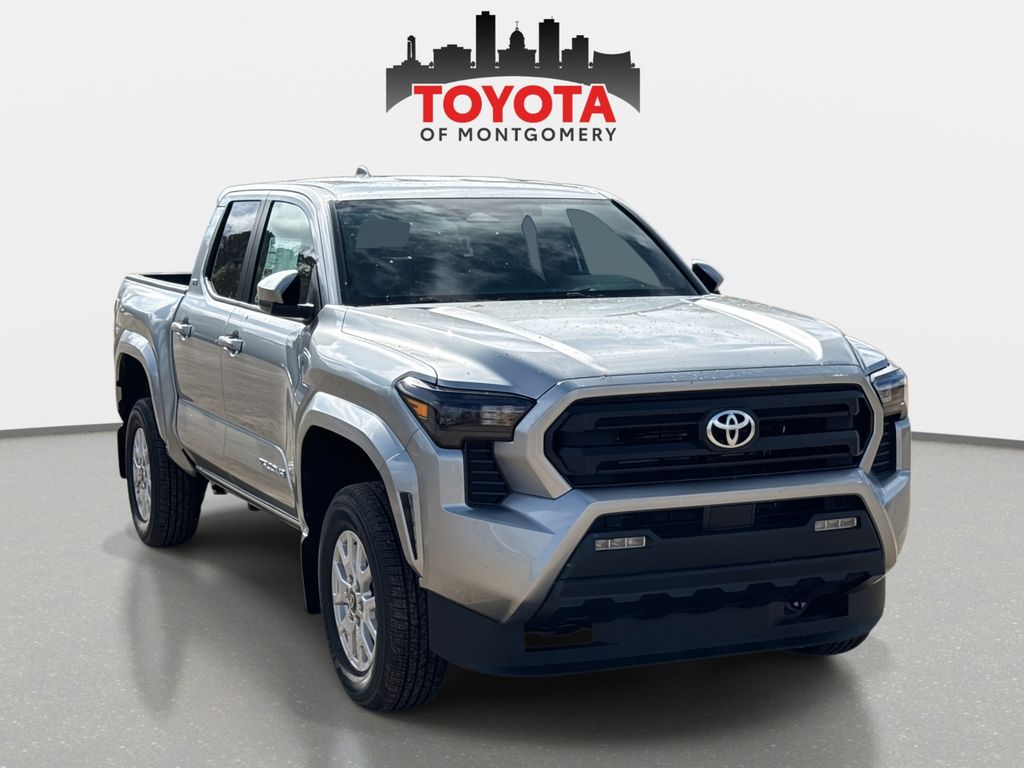
Buyers in Montgomery can select from auto loans, lease agreements, and targeted financing programmes. Each option presents different cost structures and responsibilities; understanding these differences helps match a financing solution to one’s budget and ownership goals.
When assessing options, consider the total cost over the period you plan to keep the vehicle rather than focusing solely on the monthly payment. Taxes, title and registration fees, maintenance, insurance, and any end-of-lease charges should be included in the comparison. Local factors—such as regional incentives or dealer promotions—can change the most attractive option for a given buyer.
Auto loans enable ownership and typically offer competitive interest rates and a range of term lengths. Lenders set terms based on credit profile and financial details, allowing buyers to choose monthly payments and repayment periods that align with their budgets. Comparing lender offers can identify the most favourable terms.
Key considerations for loans include the annual percentage rate (APR), the loan term, and whether the rate is fixed or variable. APR reflects the cost of borrowing over the year and includes some fees; it is the most useful single figure for comparing offers. Shorter terms usually mean higher monthly payments but lower total interest paid; longer terms reduce monthly payments but increase interest cost over time.
Steps to approach an auto loan: get pre-approved to set a realistic purchasing budget; compare offers from the dealership, banks, and credit unions; and review the loan contract for any prepayment penalties or fees. Pre-approval also strengthens your negotiating position on vehicle price.
Leasing suits buyers who prefer lower monthly payments and frequent vehicle updates. Lease terms commonly run from 24 to 48 months and include mileage allowances with fees for excess miles. Leasing reduces monthly expenditure but does not transfer ownership at term end.
When evaluating a lease, understand the components that determine the monthly payment: capitalized cost (negotiated price), residual value (estimated value at lease end), money factor (lease equivalent of an interest rate), and fees. Always confirm annual mileage allowances and charges for excess miles, normal wear-and-tear definitions, and any end-of-lease disposition fees.
Leasing may include maintenance packages or manufacturer coverage that reduce unexpected repair costs, but buyers should confirm exactly what is included. Consider gap insurance to cover the difference between what you owe and the insurance payout if the vehicle is written off during the lease term.
Toyota’s special programmes provide targeted support for groups such as students, military personnel, and first-time buyers. These programmes may include lower rates or specific incentives to improve affordability and access to new vehicles.
Special programmes can also include loyalty discounts for returning Toyota customers, dealer-specific incentives for local employees or credit union members, and short-term promotional financing tied to specific models. Always ask the dealership which incentives apply to the exact model and trim you are considering, and whether the offer requires a minimum credit score or other qualifying conditions.
Lease plans are structured to provide short- to medium-term access to a vehicle with predefined monthly payments, mileage limits, and end-of-term options. They offer flexibility for drivers who prioritise predictable costs and regular access to new models.
| Lease Plan | Mileage Allowance | Monthly Payment | Down Payment |
|---|---|---|---|
| 36 months | 10,000 miles | $299 | $2,999 |
| 36 months | 12,000 miles | $329 | $2,999 |
| 48 months | 10,000 miles | $289 | $2,750 |
The table shows representative lease plans at Toyota of Montgomery with different mileage allowances, monthly payments, and down payment amounts. These options illustrate typical cost structures for lessees seeking flexibility.
Choose a mileage allowance that reflects your typical annual driving. If you expect to exceed the allowance, negotiate a higher mileage plan up front; the per-mile charge at lease return is often substantially higher than the cost of adding miles when the lease is signed.
End-of-lease choices commonly include returning the vehicle, purchasing it for the residual value, or starting a new lease. If you are considering buying the vehicle at lease end, compare the buyout price to market values and factor in any remaining warranty or service plans.
Eligibility for financing depends on multiple factors, including credit history, income, and the size of any down payment. Dealership financing is designed to accommodate a range of financial profiles while ensuring that loans are sustainable for both borrower and lender.
Deal structure can be adjusted to match different financial situations—co-signers, trade-ins applied as down payment, or dealer-arranged special programmes may improve approval chances. If you have recent credit issues, prepare documentation that explains one-time events (medical expenses, temporary job loss) that affected your history.
Credit score is a primary determinant of available terms. Higher scores typically lead to lower interest rates and more favourable loan amounts. Prospective buyers should review their credit reports and address inaccuracies before applying.
If your score is below a preferred threshold, consider delaying a non-urgent purchase to allow time to improve credit through on-time payments, reducing revolving balances, and correcting errors on credit reports. Lenders also consider factors such as length of credit history and recent credit inquiries.
Lenders require proof of income to confirm the applicant’s capacity to make monthly payments. Common documentation includes recent pay stubs, bank statements, or tax returns, depending on the lender’s policies.
Self-employed applicants should provide several months of bank statements and tax filings to demonstrate consistent income. If seasonal or commission-based income applies, include documentation that shows typical earnings over a representative period. A clear record of stable income helps obtain better terms.
A down payment reduces the financed amount and can improve approval chances and loan terms. Larger down payments lower monthly payments and reduce total interest over the loan term.
Down payments can come from savings, trade-in equity, or sometimes dealer incentives. When using a trade-in, obtain an independent estimate of its value so you can evaluate the dealer’s offer objectively. In some cases, rolling negative equity from a trade-in into the new loan can increase the financed amount and monthly payment, so negotiate carefully.
Limited-time promotional offers can lower financing costs through reduced interest rates, cash rebates, or special leasing conditions. Buyers should verify eligibility and the effective dates of any promotion.
Promotions may exclude certain trims or require financing through the manufacturer’s captive lender. Always read offer fine print to confirm the required model, credit tier, and any residency or registration restrictions. Also compare the net cost when a rebate is offered versus a low-rate financing option; combining both is not always allowed.
Cash rebates are direct reductions applied to the purchase price and can substantially lower the amount financed. Eligible buyers should confirm current rebate amounts and how they apply to specific offers.
Applying a rebate as a down payment lowers the financed amount and may improve loan terms. Alternatively, some buyers use rebates to reduce the by-now negotiated purchase price. Consider tax implications and how rebates affect trade-in calculations or state incentives.
Promotional low-interest financing decreases total interest paid and can reduce monthly payments. Buyers should review the full terms of any low-rate offer, including duration and qualified models.
Low-rate offers are often tiered by credit score and may apply only to specific loan terms. Compare the APR and total interest across the term you expect to keep the vehicle, and consider whether a shorter term with a slightly higher monthly payment might save money overall.
Comprehensive knowledge of financing mechanics enables better decision-making. Reviewing terms, comparing offers, and planning for total ownership or lease costs will reduce uncertainty during the purchase process.
Items to budget for beyond the monthly payment include insurance premiums (which can be higher for new vehicles), state and local taxes, registration, dealer documentation fees, and routine maintenance. For leased vehicles, allocate funds for potential excess mileage and wear-and-tear charges at lease return.
Available options include traditional auto loans, lease arrangements, and special financing programmes tailored to specific buyer groups.
When deciding, identify your primary goals: ownership and long-term value, lowest short-term payment, or predictable costs and new-model access. Your target will guide whether financing or leasing is the better fit.
Dealership financing connects customers with competitive loan rates and flexible terms through affiliate lenders, streamlining approval and funding for vehicle purchases.
Dealerships typically submit applications to multiple lenders to obtain the best terms for a buyer’s profile. This single-application approach can speed approval, but you should still verify the final loan terms and compare them to outside offers from banks and credit unions.
Loan terms generally range from 24 to 72 months. Interest rates vary with credit profile and market conditions; illustrative rates often fall between 3% and 6%. Prospective buyers should compare offers to obtain the most favourable rate available to them.
In addition to the stated rate, ask whether fees are included in the APR and check for application, origination, or documentation fees. Confirm whether the quoted rate assumes a particular down payment or credit tier.
Strong lease deals for typically offer lower monthly payments, higher mileage allowances, or model-specific incentives. Buyers should monitor current promotions to identify the best available offer for their needs.
To find the best lease, compare the money factor, residual values, and any required capitalised cost reduction. A higher residual value reduces the portion of the vehicle you pay for during the lease and usually results in a lower monthly payment.
Leasing usually provides lower monthly payments and the ability to drive newer models at regular intervals. Many leases also include maintenance provisions, which can reduce unexpected service costs during the term.
Leases can simplify budgeting because predictable monthly payments and included maintenance reduce unexpected variability. However, leases limit modifications to the vehicle, and returning a vehicle early can be costly. If you tend to drive many miles or want long-term ownership, buying is often more economical.
Lease payments are typically lower than finance payments for equivalent models because the lessee pays for vehicle depreciation over the term rather than the full purchase price. Buyers should compare total cost over comparable periods when assessing options.
Compare scenarios across the ownership horizon you expect: for example, two consecutive three-year leases versus a single six-year loan and ownership. Include down payments, taxes, routine maintenance, and end-of-lease fees in the comparison to determine which path is less expensive.
Credit approval assesses an applicant’s financial history and influences the rate, term, and loan amount offered. Lenders consider credit score, income stability, and payment history when setting terms.
Timing can affect offers—getting pre-approved prior to shopping locks in an offer for a period and prevents surprises at the dealership. If your application is approved with less favourable terms than expected, ask for the specific reasons and whether the dealer can work with alternative lenders or special programmes.
A credit score of 700 or above is commonly viewed as favourable and may result in lower interest rates, though financing pathways exist for applicants with lower scores through specialised programmes.
Different lenders use different score models and thresholds. If your score is marginal, a larger down payment, a co-signer, or a shorter loan term can sometimes secure better pricing. Always request the rate tiers used so you can see how a modest score increase might change offers.
Yes. Specialised programmes and alternative lending arrangements can assist buyers with limited or poor credit histories, subject to specific eligibility requirements.
These programmes may require higher down payments, a co-signer, or proof of steady income. Explore community financial institutions and credit unions that often have competitive options for borrowers rebuilding credit. Be cautious of high-cost subprime loans and read all terms before signing.
New vehicles often include warranty coverage, the latest safety and technology features, and access to special financing programmes that may offer competitive rates or incentives not available for used cars.
Financing a new vehicle typically gives access to manufacturer incentives and lower maintenance needs in early years. Used vehicles can offer lower purchase prices and smaller loan amounts, but interest rates on used car loans are often higher and terms shorter.
Financing for used vehicles frequently involves different rates and term limits, which can be higher than new vehicle rates due to the vehicle’s age and residual value considerations.
Used vehicle loans may require a larger down payment or shorter repayment period. Consider certified pre-owned (CPO) programs that can combine extended warranty coverage with financing incentives nearer to new-car conditions.
Dealerships commonly offer loyalty programmes or personalised financing solutions for returning customers, which may include discounted rates, flexible payment schedules, or other incentives based on prior purchasing history.
If you are a repeat customer, ask the dealer about loyalty discounts or retention specials that can improve the effective financing terms. Having an established relationship can simplify approvals and sometimes secure better pricing.
Payment calculators allow buyers to estimate monthly payments by inputting loan amount, interest rate, and term. These tools help assess affordability and compare scenarios before applying for financing.
Practical tips: run scenarios for several terms (36, 48, 60, 72 months) and vary down payment and trade-in amounts to see how monthly payments and total interest change. Include sales tax and fees in the financed amount if your state requires that approach so the monthly estimate matches the final contract.
Estimate monthly payments by combining the financed amount, applicable interest rate, and loan term, or by using online calculators that factor in down payment and trade-in values to provide a clear monthly figure.
For leases, use the capitalised cost, residual value, money factor, and term. Many dealer websites or manufacturer calculators allow you to enter the details and produce side-by-side comparisons for loans and leases. Save or print the calculator output to bring to the dealership as a reference point during negotiation.
Comparison tables that list interest rates, terms, monthly payments, and total finance charges illustrate the long-term cost differences between offers and support objective decision-making.
Build a simple table for each scenario you consider: include the negotiated purchase price, down payment, trade-in value, APR or money factor, loan or lease term, monthly payment, and total interest or lease cost. This side-by-side view quickly highlights which combination of terms is optimal for your goals.
Common concerns include credit score requirements and documentation for income verification. Understanding these requirements in advance reduces delays and increases the likelihood of approval.
Another common issue is confusing the advertised monthly payment with the payment you will qualify for based on your credit tier and selected options. Always ask for the quote in writing and a breakdown of how the payment was calculated.
Make and model affect resale value and eligibility for certain promotions, which can influence available financing terms. Local market conditions in Montgomery also affect inventory, incentives, and rates.
Higher-demand models with strong resale values can produce lower lease payments (because residuals are higher) and sometimes attract better financing incentives. Regional supply and inventory constraints can also influence promotional availability and negotiation leverage.
Toyota of Montgomery offers a range of financing solutions with personalised guidance from experienced staff to help buyers select terms that align with their financial goals.
The dealership can coordinate test drives, provide official finance offers, and explain local incentives or tax-related details for Alabama residents. Bring documentation and any pre-approval letters to speed the process and allow the finance team to tailor options effectively.
Dealership finance specialists assist with comparing offers, explaining terms, and completing applications, providing clarity and support throughout the financing process.
Good questions to ask your finance specialist include: which fees are refundable, how gap insurance and extended warranties are priced, and what the total cost will be over the period you plan to keep the vehicle. A transparent dealer will provide clear, itemised estimates.
Local expertise delivers insight into regional incentives, typical market rates, and practical requirements, enabling buyers to access financing options tailored to their area.
Local dealers also understand the typical driving patterns and needs of River Region buyers, which helps in recommending appropriate mileage allowances for leases and suitable trims or packages that balance features and cost.
Current financing deals are available through the dealership’s sales team and on its website, both of which list active promotions and qualifying terms.
Before visiting, compile a checklist of the models you are considering, your target monthly payment range, desired mileage allowance, and the documents you will bring. That preparation speeds negotiations and allows the dealer to present the most relevant offers.
To contact Toyota of Montgomery, call (334) 272-7147 or visit the dealership at 911 Eastern Blvd, Montgomery, AL 36117. Staff are available to provide financing information and personalised assistance.
Use the dealership website to view inventory, lease and finance calculators, and official manufacturer incentives. If you prefer in-person help, schedule an appointment with the finance team to reduce wait times and ensure a focused discussion of your options.
Subscribe to the dealership newsletter or check the website regularly to receive notifications about rate changes and limited-time financing promotions.
Also monitor manufacturer communications and follow local dealership social channels for flash promotions. If you have a specific timeframe for purchase, let the dealer know so they can alert you to relevant offers as they appear.
Financing uses a loan to purchase the vehicle, leading to ownership once payments are complete. Leasing is a fixed-term rental, typically 24 to 48 months, after which the vehicle is returned unless the lessee opts to buy. Financing usually has higher monthly payments but results in an owned asset; leasing offers lower payments and more frequent access to new models.
Consider your long-term plan: if you want long-term ownership and lowest total cost over many years, financing is often better. If you value new models, lower short-term payments, and predictable costs, leasing may be preferable.
Yes. Interest rate, down payment, and loan duration can often be negotiated based on creditworthiness and market conditions. Presenting current rate comparisons and required financial documents improves negotiating position.
Negotiate the vehicle price first, then discuss financing. Ask the dealer to separate the sales price, rebates, and financing so you can compare the net costs of alternative financing sources.
Prepare proof of identity, income verification (pay stubs or tax returns), proof of residence, and your Social Security number. Knowledge of your credit score and recent financial statements will expedite the application.
If you plan to use a trade-in, bring the title and maintenance records. For business or self-employed buyers, bring recent bank statements and tax returns to document income stability.
Dealerships may offer stronger incentives near the end of the month, quarter, or year to meet sales targets. National promotions and holiday events can also yield favourable financing terms.
Timing your purchase to coincide with model-year changeovers or manufacturer promotions can increase the chance of better offers. However, prioritise an offer that fits your credit profile and long-term goals rather than timing alone.
At lease end, options typically include returning the vehicle, purchasing it at the residual value, extending the lease, or leasing a new vehicle. Review the lease agreement for fees related to excess mileage or wear and tear.
Before lease end, inspect the vehicle and compare expected charges with the lease agreement. If you intend to buy the vehicle, request the buyout amount early and compare it to market prices and loan options.
Yes. The trade-in value can be applied as a down payment, reducing the financed amount. Obtain a trade-in appraisal or research market values to ensure a fair offer.
Shop trade-in offers from multiple dealers if possible. Consider selling privately if the private-sale price significantly exceeds dealer offers, then use those proceeds as a down payment.
If denied, determine the reason—common causes include limited credit history or insufficient income. Options include correcting credit report errors, improving credit, seeking a co-signer, or exploring lenders that specialise in credit-challenged applicants.
Ask the lender for specific denial reasons and obtain a copy of your credit report. Small fixes, such as paying down revolving balances or correcting identity mismatches, can materially improve the outcome on a subsequent application.
 EN
EN ES
ES