
By Toyota Montgomery, Toyota of Montgomery. Knowing your used Toyota's trade-in value is essential to maximise your return in a competitive market. This guide explains the appraisal process, likely offers, and financing options when trading in. Many owners find valuing and negotiating trade-ins complex; this article addresses common issues and provides practical guidance so you can make informed decisions. It covers appraisal methods, the factors that affect trade-in values, financing solutions, and practical preparation for assessments. You will learn how to navigate the trade-in process to get the most from your vehicle investment.
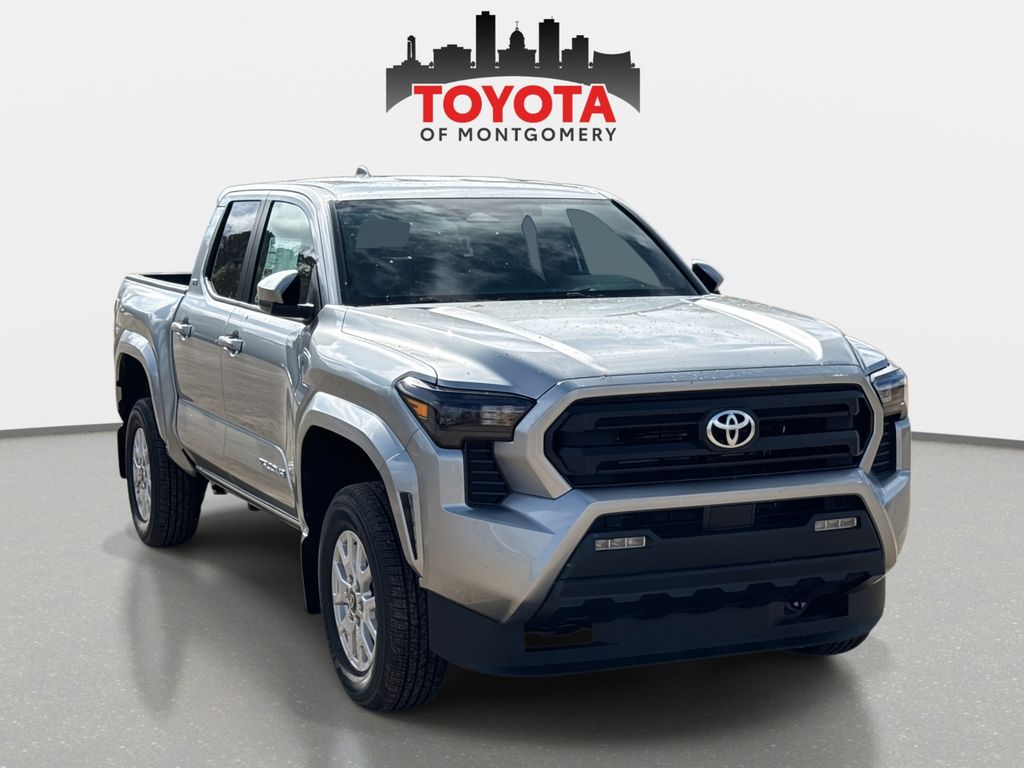
Appraisal methods for used Toyotas typically include online estimates and in-person inspections. Online tools provide a quick preliminary value based on make, model, year, and mileage, offering a useful starting range.
Online estimators are most helpful when you provide accurate, complete information. Include the exact model, trim level if known, current odometer reading, and honest notes about condition or recent repairs. Some tools also ask for ZIP code to reflect regional demand—entering accurate local data narrows the range and reduces surprises at the dealership.
In-person inspections provide a more accurate trade-in value by assessing mechanical condition, cosmetic condition, and service history. Dealership findings are used to produce tailored offers, and the detailed inspection materially affects the final offer.
During an in-person appraisal, technicians will typically inspect the engine bay, suspension, tires, brakes, interior wear, and exterior condition. They check for leaks, structural damage, and safety-related issues, and they note aftermarket modifications or missing parts that affect value. Bringing service records and being transparent about repairs speeds the process and can lead to a more favourable evaluation.
Offers are influenced by overall condition, mileage, market demand, and current economic trends. Well-maintained, low-mileage vehicles generally command higher offers, while significant wear, high mileage, or incomplete service records typically reduce offers.
Local demand for specific Toyota models also affects offers; sought-after models in your region can attract stronger bids. The table below shows typical offers by model, condition, and mileage.
| Vehicle Model | Condition | Mileage | Typical Offer |
|---|---|---|---|
| Toyota Camry | Good | 30,000 miles | $22,000 |
| Toyota RAV4 | Excellent | 25,000 miles | $28,500 |
| Toyota Tacoma | Fair | 60,000 miles | $18,000 |
The table demonstrates how both condition and mileage shape trade-in values, helping owners set realistic expectations during the appraisal.
Typical offers are often given as a range. Dealers account for reconditioning costs, estimated retail demand, and vehicle marketability when setting a final number. If you plan to trade in and purchase at the same dealership, discuss how trade-in credit is applied to the purchase price so you can compare net outcomes versus selling privately.
Understand financing options that use trade-in credit to lower the purchase price and reduce monthly payments. Reviewing financing suited to your profile makes upgrading more manageable.
Obtain dealer pre-approval to clarify your budget and potential payments; this simplifies the purchasing process and frames trade-in discussions.
Toyota of Montgomery offers financing options with flexible payment plans tailored to customer needs, which can improve the buying experience while ensuring competitive treatment of your trade-in.
Common financing options include traditional auto loans, dealer-arranged loans, and manufacturer-sponsored programs. Trade-in credit can act as a down payment or offset the new vehicle price, reducing total financed amount. If you still owe on your current loan, the dealer can often handle payoff and apply any remaining equity toward the new purchase; conversely, negative equity can be rolled into a new loan under certain terms—discuss these possibilities with finance staff.
When comparing offers, examine the total cost over the loan term, interest rate, and monthly payment. Even small differences in rate or term length can affect long-term cost, so request clear breakdowns of how trade-in credit and incentives influence the final financing package.
Key factors include overall condition—well-maintained vehicles receive better offers—and mileage, which indicates wear and remaining life.
Market demand and local economic conditions also influence offers. Awareness of these dynamics helps when timing a trade-in to obtain better results.
Other factors that commonly change value include equipment and trim level, color, presence of optional packages, and any recent or major service work such as timing belt replacement or new brakes. Safety recalls resolved and a clean title are positive signals; significant body damage, flood damage, or major mechanical issues reduce perceived value sharply.
Prepare documents such as the vehicle title, registration, and any outstanding loan information to ensure a smooth transaction and clarify ownership status.
Clean the vehicle inside and out and address minor repairs; these steps improve first impressions and can increase the trade-in value.
Practical prep checklist:
Photograph your vehicle before the appraisal and keep a short written list of recent work done. This can help you recall details during discussions and ensures you communicate value-adding maintenance clearly to the appraiser.
Begin with online appraisal tools for an initial estimate, then schedule an in-person inspection to obtain the most accurate offer.
Ensure you have service records and documentation available; the dealership will review service history, modifications, and associated documents before finalising the trade-in value.
Step-by-step overview:
Research your vehicle's market value using reputable sources to establish a baseline for negotiation.
Highlight maintenance and features that add value, and maintain a professional demeanour during negotiations to improve the likelihood of a better offer.
Practical negotiation approaches:
Negotiation is more effective when based on clear facts rather than emotion. Stay polite, ask clarifying questions about any reductions in the offer, and consider walking away to test flexibility if the initial offer is well below your expectations.
Factors include Toyota's reputation for reliability, current demand for Toyota vehicles, market trends, and the vehicle's overall condition.
Popular models such as the Toyota Camry and RAV4 often receive higher offers due to steady demand. Understanding these factors sets realistic expectations for your trade-in.
Trim, optional features such as navigation or advanced safety packages, and recent software or mechanical updates also influence value. If your vehicle has desirable equipment for your region—like all-wheel drive in colder climates—make sure the appraiser notes those attributes.
Toyota of Montgomery employs experienced technicians to perform detailed inspections of mechanical performance and exterior condition.
The assessment verifies odometer readings, inspects the body for damage, and reviews service history; this comprehensive process ensures offers reflect the vehicle's true market value.
Inspectors typically run a checklist that includes a short test drive to detect drivability issues, scan for trouble codes, and visually inspect for frame or structural concerns. The dealership documents findings and explains how each item impacts the final offer, giving you a transparent basis for any adjustments.
Trading in at Toyota of Montgomery offers convenience, potential cost savings, and professional appraisal expertise that yields competitive offers aligned with market conditions.
Trade-in credit can directly reduce the purchase price of a newer vehicle, simplifying the upgrade compared with a private sale.
Additional benefits include reduced time spent finding a private buyer, fewer logistics for test drives and advertising, and handling of payoff paperwork by the dealer. If you prioritise speed and simplicity, trade-in often outweighs the potential for a slightly higher private sale price when factoring time and effort.
The trade-in program simplifies upgrades by offering straightforward appraisals and applying trade-in credit toward a new purchase.
It also reduces paperwork, expedites negotiations, and clearly shows how trade-in credit is applied to the new vehicle purchase.
Dealership staff can outline the full timeline from appraisal to financing, estimate any remaining payoff, and provide a single point of contact to coordinate title transfer, payoff processing, and final sale documents—this single-source management reduces administrative burden for customers.
Toyota of Montgomery offers regional trade-in incentives that vary by local market and inventory, including seasonal promotions and sales events.
A sales team will explain available offers and any incentives tied to trading in your vehicle, ensuring you understand the options.
Incentives can include limited-time bonus credits, special financing rates for qualified buyers, or dealership promotions tied to clearing inventory. Ask the sales representative about current promotions and whether your trade-in qualifies for any additional credits or seasonal programs.
Begin by researching your vehicle's market value online, then arrange a professional inspection at the dealership.
Prepare all required documents and understand the appraisal criteria to strengthen your negotiation position and ensure a smoother trade-in.
Tips for a smooth process:
Assemble the correct documents to speed the process. Typical requirements include:
These materials support a smooth appraisal and improve your negotiating leverage during discussions.
Other useful items: a lien release if applicable, proof of any aftermarket warranty transfers, and a set of spare keys. If your vehicle is leased, contact the leasing company ahead of time to understand payoff and return procedures.
Use the dealership's website to access online appraisal tools and submit the relevant vehicle details.
After submission, schedule an in-person inspection and use the initial estimate to prepare for discussions about potential offers.
When submitting online, include clear photos of the exterior, interior, odometer, and any damage. Accurate photos reduce back-and-forth and help the appraiser prepare. Provide the VIN if possible—this enables more precise option-package identification and service history searches.
Applying trade-in credit reduces the amount you need to finance for a new vehicle, which can lower monthly payments.
Toyota of Montgomery offers flexible financing that combines trade-in credit with tailored payment options to suit diverse financial situations.
If you have equity in your trade-in, that amount can be applied directly to the down payment, lowering the financed amount. If the trade-in has negative equity, discuss how the dealer handles the remaining balance—options include rolling it into the new loan or paying it off at signing. Always request a clear payoff statement to verify amounts.
Financing options range from traditional loans to special offers, accommodating a variety of credit profiles.
These options help customers use trade-in credit effectively while keeping monthly payments manageable.
Common alternatives include varying loan terms (shorter terms reduce total interest, longer terms reduce monthly payments), leasing options that may offer lower monthly payments, and promotional manufacturer financing for qualified buyers. Compare total cost and warranty coverage when deciding which route best fits your financial goals.
Purchasing a certified pre-owned Toyota with trade-in credit provides warranty coverage and quality assurances that enhance buyer confidence.
Applying trade-in credit toward such purchases lowers out-of-pocket costs while supporting investment in vehicles with strong resale value.
Certified pre-owned vehicles typically include multi-point inspections, extended manufacturer-backed warranties, and limited certification guarantees. Using trade-in credit to secure a certified model can be attractive for buyers who prioritise reliability and lower ownership risk.
In Montgomery, used Toyotas known for reliability and performance show stable demand. Local economic factors may cause fluctuations, but Toyota models generally retain solid value.
Awareness of these trends helps owners choose optimal timing for trade-ins to secure better offers.
Regional inventory levels also matter—if similar models are scarce on local lots, demand pushes offers upward. Conversely, when the market has oversupply of a certain model or trim, dealers may be more conservative. Check local dealer listings to sense scarcity or saturation before you trade.
Regional conditions—local economy, seasonality, and model availability—affect trade-in values in specific markets like Montgomery.
Staying informed and consulting local dealerships helps owners time trade-ins and estimate likely offers based on regional demand.
For example, convertibles or two-wheel-drive vehicles may be more desirable in a warm-weather region, while four-wheel-drive and SUVs can command premiums in areas with rough terrain or harsher winters. Consider regional buyer preferences when preparing and marketing your vehicle to dealers.
Consider market data, which indicates rising demand for fuel-efficient and hybrid models among buyers. This can influence relative values for different Toyota models.
Use these projections to time a trade-in and maximise the potential offer you receive.
Track local inventory, model year updates, and any announced redesigns—new model introductions often shift demand and can temporarily alter used prices for the outgoing model years. If a new generation is imminent, demand for the outgoing model may drop slightly; in other instances, trade-in credit promotions around new model launches can help sellers receive stronger offers.
Trade-in calculators use recent sales data, market trends, and vehicle condition to generate estimated values and provide a starting point for negotiations.
These tools help align dealer and customer expectations before final offers are determined.
When using calculators, treat the output as a guide rather than a final value. Enter precise data, review the assumptions behind the estimate, and use multiple tools to triangulate a reasonable range. Save the estimate pages or screenshots to discuss with the appraiser if needed.
Trading during periods of high demand for a model or after new model releases can produce higher offers.
End-of-month dealership incentives and seasonal demand shifts can also improve offers; monitor these factors when planning a trade-in.
Additional timing considerations: selling before major mechanical milestones (for example, before a large scheduled service) often helps, because buyers and dealers favour vehicles with remaining service life. Also consider tax-season cash cycles and local events that temporarily increase demand for used cars.
Toyota of Montgomery provides detailed appraisals and clear explanations of offer components so customers understand how values are calculated.
This transparency helps customers feel confident they are receiving fair compensation that reflects their vehicle's market value.
Ask for a written breakdown that lists deductions for repairs or reconditioning, and request clarification on how trade-in credit is applied to any new purchase. Clear documentation enables you to compare offers and ensures the final transaction matches what was discussed.
Customer feedback often cites trust and satisfaction with Toyota of Montgomery's trade-in process, noting clear pricing and professional assessments.
These testimonials support the dealership's reputation for reliable and customer-focused trade-in service.
When possible, read multiple recent testimonials or reviews that reference trade-ins specifically. They often highlight speed of appraisal, clarity of paperwork, and whether the customer felt fairly treated—insights that can help set realistic expectations for your own trade-in experience.
Structured data and schema markup improve listing visibility by making information easier for search engines to interpret and display.
Implementing these technologies helps prospective customers find trade-in information more efficiently and compare available options.
Dealerships can mark up vehicle listings with schema attributes for make, model, year, price, mileage, and condition. This helps search engines surface relevant listings in local searches and can increase qualified leads by making key information visible in search snippets.
Maximise trade-in value by cleaning the vehicle, completing minor repairs, and assembling service records; these measures improve first impressions and offers.
Present maintenance records that demonstrate consistent care, as this increases buyer confidence and enhances appeal.
Additional actions with strong return on investment include replacing worn wiper blades, ensuring fluids are topped up, and treating visible rust or minor dents if repair costs are reasonable. Prioritise fixes that are inexpensive but visibly improve condition.
Routine maintenance—oil changes, new tires, and addressing mechanical issues—can increase trade-in offers.
Detailing the interior and exterior improves visual appeal and may lead to a higher offer compared with an unmaintained vehicle.
Focus on maintenance items that are expected by buyers, such as recent brake work, a recent battery if the old one is weak, and tires with good tread. Keep receipts to prove recent service; documented maintenance often translates into measurable trust during appraisal.
Prepare by thoroughly cleaning the car, repairing minor blemishes, and organising all necessary documents.
A well-presented vehicle signals good upkeep and can help secure a better trade-in offer.
On the day of appraisal, arrive on time, remove personal items, and be ready to answer questions about ownership history and recent repairs. A calm, clear presentation helps the appraiser accurately assess value and supports a productive negotiation.
Vehicle history strongly affects trade-in value. Accidents, repair history, and maintenance records can increase or decrease worth. A clean history generally attracts higher offers, and comprehensive maintenance documentation can support trust and potentially elevate the offer.
Certain models typically retain higher trade-in value due to popularity and demand, such as the Camry and RAV4. Reputation, local market demand, and features influence value; monitoring regional preferences helps maximise your offer.
Mileage directly affects trade-in value: higher mileage usually reduces offers, while lower mileage tends to increase them. Maintaining reasonable mileage and keeping the vehicle in good condition improves trade-in prospects.
Essential documents include the vehicle title, maintenance records, and proof of identification. These items verify ownership and service history and support a smoother appraisal and negotiation process.
Use online valuation tools provided by dealerships to estimate trade-in value. These tools consider make, model, year, condition, and market trends to provide a useful baseline before an in-person appraisal.
Appearance matters: a clean, well-maintained vehicle creates a positive first impression during appraisal. Minor cosmetic repairs and interior cleaning can increase appeal and may result in a higher offer.
Yes. Research your vehicle's value before visiting a dealership and use data to support your position. Highlight maintenance and unique features, and present your case professionally to influence the dealer's final offer.
 EN
EN ES
ES