
By Toyota Montgomery, Toyota of Montgomery. Determining your Toyota’s trade-in value requires a clear view of how condition, mileage and local market demand affect price. This guide explains appraisal methods, the documents you should bring, and practical steps to protect or increase your vehicle’s value while considering financing implications.
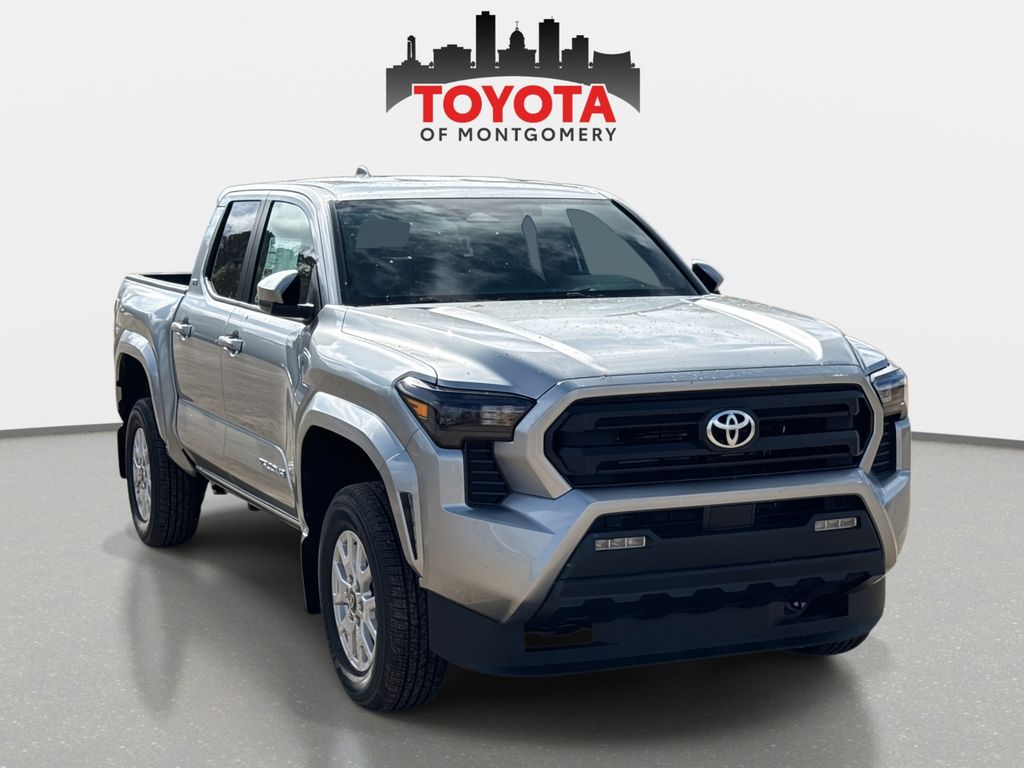
These takeaways summarize the core actions that will improve your chances of receiving a strong trade-in offer: prepare documentation, maintain the vehicle, use several valuation sources and understand how trade-in credit interacts with financing. The rest of this guide expands on those steps in practical detail so you can approach a trade-in with confidence.
Appraisals combine objective data and professional assessment. Common approaches include online valuation tools, dealership inspections, and third-party appraisers. Using more than one method gives a balanced estimate and supports stronger negotiation.
Each appraisal method has strengths: online tools provide fast, data-driven baselines; dealership inspections reflect the specific buyer’s preferences and local demand; and independent appraisers can offer an impartial, documented opinion you can present in negotiation. Wherever possible, collect at least two sources of appraisal to triangulate a realistic expected value.
Schedule an appointment, prepare vehicle details and documentation, then complete an in-person inspection for a formal appraisal.
Detailed steps for an efficient appraisal appointment:
Expect the inspection to include a visual walk-around, an interior check, and a short mechanical test drive or systems check. The appraiser will compare your vehicle to local inventory and market data before issuing a trade-in offer.
Research local listings for similar Toyota models to set realistic expectations. Bring maintenance records and any receipts to your dealership appointment to allow a precise in-person appraisal.
To use the trade-in process wisely:
Several objective factors determine trade-in value. Knowing these lets you prioritise improvements and present stronger evidence during valuation.
Primary determinants include the vehicle’s condition and its mileage, both of which are reviewed during appraisal.
| Factor | Influence on Value | Importance Level |
|---|---|---|
| Vehicle Condition | A well-maintained car garners a higher value. | High |
| Mileage | Lower mileage generally increases trade-in value. | Medium |
| Market Demand | Popular models can fetch a premium. | High |
| Features and Upgrades | Additional features can boost worth significantly. | Medium |
The table above highlights major categories appraisers consider. Below are expanded descriptions of each factor and practical notes on how to influence them where possible.
The most influential factors are overall condition, recorded mileage and local demand. Consistent maintenance, a documented service history and commonly desired features typically improve trade-in outcomes.
Other considerations include mechanical history (major repairs or recurring issues), cosmetic condition (interior wear, paint damage, upholstery), and title status (clean title versus salvage or rebuilt). Appraisers also consider seasonal and regional market trends—an all-wheel-drive model may be more valuable in colder regions, while fuel efficiency and lower ownership costs can be universally attractive.
Condition affects both mechanical reliability and visual appeal. Minor wear is expected, but repairs and regular servicing that restore functionality and appearance lead to higher appraisals.
When preparing your vehicle for appraisal, focus on items that yield the most visible return for the least cost: a professional cleaning, addressing dashboard warning lights, replacing and aligning tires, and fixing small dents or broken exterior trim. Keep receipts for repairs and indicate when major components were replaced. If repair costs exceed the expected increase in trade-in value, document the condition honestly and be prepared to accept repairs that are cost-effective.
Local demand and supply shift values by region. In Montgomery, AL, certain models may be in stronger demand; understanding local trends helps you set realistic expectations and refine negotiation points.
Factors that can shift regional value include local preferences for certain body styles (SUVs versus sedans), climatic needs (air-conditioning performance in hot regions), and dealer inventory levels. If local dealers have a shortage of specific models, you may see stronger offers; conversely, an oversupply can depress bids. Check local classified listings and dealer inventories to learn which trims and options buyers in your area favor.
Trade-in value and financing interact directly: a higher trade-in credit reduces the financed amount and can improve loan conditions. Assess how the credit will be applied before finalising a deal.
Dealers typically apply trade-in credit in one of two ways: directly to the new purchase as a down payment or to pay off an existing loan balance on the traded vehicle. If your trade-in does not fully cover a remaining loan, you may need to pay the difference or roll the negative equity into the new loan—be cautious with rollovers, as they increase the financed amount and monthly payments.
Apply the trade-in credit toward the down payment to reduce the principal amount financed. This typically lowers monthly payments and may qualify you for better loan terms.
When budgeting, consider two scenarios: using trade-in credit as part of a larger down payment to secure lower monthly payments or applying it only against taxes and fees to preserve your cash on hand. Request a clear financing worksheet from the dealer that separates vehicle price, taxes, fees, trade-in credit and any remaining balance on a prior loan so you can compare offers accurately.
Toyota of Montgomery supports standard auto loans, lease arrangements and dealership financing programs that accept trade-in credits to reduce upfront costs.
When evaluating dealer financing, compare the dealer’s rate against pre-approved loan offers from banks or credit unions. If the dealer offers promotional incentives, ask whether those incentives require a trade-in or specific financing. Keep documentation of all offers and ask for final figures in writing before signing.
A higher trade-in value lowers the loan balance and can improve approval odds and interest rates. Many customers evaluate buy here pay here financing options as part of their payment planning.
Lenders consider the loan-to-value ratio when underwriting loans; a higher down payment from a trade-in lowers that ratio and may result in a better rate. If you have negative equity, discuss options with the dealer and your lender to avoid financing terms that could become burdensome. Always ask for an itemized financing agreement and compute the total cost of credit (total payments minus trade-in and down payment) to compare offers fairly.
After receiving an estimate, review it against market data, prepare negotiation points and confirm required documentation to ensure a smooth transaction.
When evaluating the offer, compare the dealer estimate to the online tool values you gathered and to listings of comparable vehicles. If the trade-in offer is below your expected range, ask the appraiser to show the adjustments applied and provide photos or notes supporting deductions. Your objective is not confrontation but understanding: a clear explanation can reveal whether reconditioning or repairs are reasonable to pursue before trading.
Prepare negotiation points that highlight service history, recent maintenance, desirable features and reasons your research supports a higher value. Examples of useful evidence include printed comparable listings, invoices for recent major repairs, and a vehicle inspection report from a trusted mechanic. Negotiation is easier when you present factual documentation rather than subjective opinions.
Failing to maintain the vehicle, neglecting to research comparable local prices, or lacking documentation can reduce offers. Consult resources such as Kelley Blue Book to confirm market values before negotiating.
Other common mistakes include accepting the first offer without comparison, agreeing to roll negative equity into a new loan without calculating long-term cost, and hiding damage or title problems. Avoid these mistakes by asking for time to review any offer, seeking pre-approval for financing so you understand realistic payments, and being upfront about issues that affect value.
After an in-person inspection, most trade-in quotes are provided within 24–48 hours. Online appraisal tools can supply an immediate preliminary estimate for planning purposes.
If time is important, mention that when scheduling the inspection and ask whether a same-day preliminary estimate is available. For complex cases (vehicles with title issues, significant damage, or custom modifications), expect the dealer to take extra time to verify resale channels and potential reconditioning costs.
Toyota of Montgomery provides valuation tools and staff support to guide the trade-in process. Contact their finance team for clarification on offers and available programmes.
In addition to dealer resources, use consumer-facing valuation sites and local classifieds to track trends. If you want an independent perspective, a licensed third-party appraiser or a trusted mechanic can identify issues that might reduce offers and estimate repair costs so you can decide whether to fix items before trading.
Contact Toyota of Montgomery at 911 Eastern Blvd, Montgomery, AL 36117, or call (334) 202-2820 to arrange an evaluation and discuss financing. For broader market data, consider reference sites such as Edmunds.
When you call or visit, ask specifically for the trade-in or appraisal desk, and request an itemized estimate letter after inspection. If you have multiple dealers in your area, consider obtaining several in-person appraisals to compare offers and identify the dealer most willing to recognize your vehicle’s strengths.
Official valuation tools and industry reports provide pricing benchmarks and trend data. Use them to verify dealer offers and to support your negotiation with objective evidence.
Benchmark tools are useful because they aggregate transaction data and regional pricing signals that individual dealers may use to set resale values. When using these tools, enter accurate vehicle details (trim, options, mileage, zip code) to get the most relevant estimate, and capture screenshots or printed results to share with the dealer during negotiation.
Toyota’s trade-in calculator estimates a base value using vehicle details and market factors. Use the result as a planning tool before pursuing an in-person appraisal.
When using online calculators, treat their figure as a starting point. They rarely account for condition-specific issues visible only in person, so build a small contingency range around the online number. If the online value is significantly higher than a dealer’s offer, ask the dealer to explain the differences and request a written breakdown of condition deductions.
data from sources such as Kelley Blue Book and Edmunds show generally stable or improving resale values for many Toyota models, reflecting sustained demand and the brand’s reputation for reliability.
Use those industry trends to set expectations for timing a trade-in: stable or improving resale markets may make it worthwhile to wait a few months for a stronger offer, while a softening market suggests acting sooner. Avoid making timing decisions based purely on brief fluctuations; instead, observe multi-month trends and local inventory patterns.
Clean the vehicle inside and out, compile the title, service records and warranty documents, address minor repairs and consider a professional inspection to identify issues that could affect the appraisal.
Practical preparation checklist:
Keep up with routine service, replace worn consumables like tyres if needed, repair minor dents, and present a complete service history. Research comparable local listings to set reasonable expectations.
Maximization tips that usually pay off include maintaining a consistent service history (dealer or independent shop stamps), fixing safety items (lights, brakes), and keeping the vehicle free of unusual odors. For cosmetic or mechanical issues with expensive repair costs relative to the vehicle’s value, get a repair estimate and compare that to the likely increase in trade-in value before authorizing work.
Trading in is more convenient and faster; selling privately often yields a higher price but requires more time and effort. Compare the likely net proceeds against your available time and resources to decide.
Consider the following when choosing: private sale can take weeks and requires marketing, safely meeting buyers and handling paperwork, but can achieve a higher gross price. Trading in is quicker, reduces complexity and can be rolled directly into a dealer transaction. If you need immediate replacement transportation or want a bundled financing arrangement, trade-in is usually preferable.
Modifications that improve safety or broad appeal may increase value. Highly personalised or niche mods can reduce appeal to dealers. Prioritise widely valued upgrades when possible.
Examples: practical upgrades such as new all-season tires, upgraded infotainment with factory-compatible components, or recently installed safety features are easier to justify. Conversely, niche performance modifications, loud aftermarket exhausts, or highly personalised interiors may limit buyer pools and reduce offers.
Check your vehicle’s value periodically, such as every six months or after major repairs or mileage changes, to stay informed and plan timing for a trade-in.
If you are planning a purchase or lease at a specific future date, start monitoring values three to six months ahead to identify patterns and set a target date for trading. Sudden changes in market conditions, local demand or fuel price swings can shift values more quickly, so remain flexible if you rely on a particular vehicle value as part of your financing plan.
A pre-appraisal establishes a baseline value, strengthens your negotiation position, reveals issues to repair before trading, and helps you avoid low offers.
Having a pre-appraisal or an independent inspection also helps you decide whether private sale or trade-in is the better route. It gives you objective talking points in negotiations and reduces the chance of surprises during the dealer inspection. If you plan to finance a new vehicle, knowing your trade-in value in advance helps you estimate the loan amount and shop for competitive financing.
 EN
EN ES
ES