
By Toyota Montgomery, Toyota of Montgomery. Knowing your Toyota's accurate trade-in value in Montgomery is essential to maximize returns when you upgrade. Many owners are unsure how dealers calculate offers, which can result in missed value. Toyota of Montgomery explains the trade-in process, the factors that affect appraisals, the steps involved, and the financing options that align with a trade-in. This article covers appraisal methods, condition factors, and financing so you can make informed decisions. Throughout the guide we include practical tips you can use before visiting the dealership, how to compare offers, and what to expect when you finalize a trade. Use this as a reference to prepare your vehicle, plan negotiations, and align trade-in credit with financing to get the best net outcome.
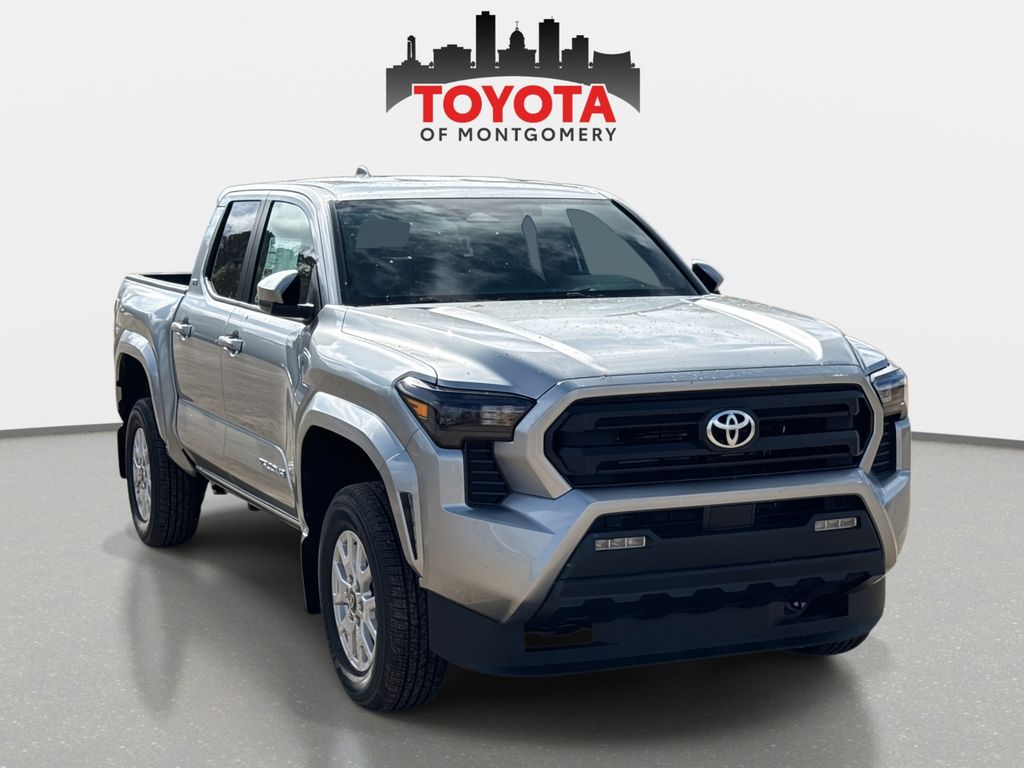
Toyota of Montgomery estimates trade-in value using multiple factors: vehicle age and condition, make and model, and current demand for pre-owned cars. An online estimate provides a baseline, but an in-person inspection by a trained appraiser yields a more precise valuation. This assessment considers all relevant aspects to produce a fair, transparent offer.
Appraisers at the dealership combine objective checks (odometer reading, VIN verification, structural inspection) with market data to arrive at an offer. If you bring recent service records or receipts for upgrades, appraisers can factor those into the valuation process.
Several key factors influence the trade-in value of your Toyota in Montgomery:
Other elements that can affect value include service history, accident history, tire condition, and any aftermarket modifications. Understanding which specifics matter most helps you prioritize improvements before appraisal.
At Toyota of Montgomery, various appraisal methods are employed to ensure accurate trade-in estimates:
Combined, these methods deliver reliable estimates that reflect current market conditions. Use the online estimate as a guide, but always follow up with an in-person evaluation to capture vehicle-specific details that automated systems may miss.
Trading in at Toyota of Montgomery follows clear steps designed for efficiency and transparency.
Following these steps can streamline the process and reduce delays. If you have a loan on the vehicle, bring payoff information so the dealer can calculate any remaining balance and explain how it affects the transaction.
Proper preparation can improve your trade-in offer. Consider the following actions:
Beyond cleaning, remove personal items and declutter the cabin before inspection. If you have aftermarket upgrades that add value (for example, newer tires or a recently replaced battery), bring receipts to document the investment.
At the appointment a trained appraiser will evaluate condition, features, and any damage. After inspection you will receive a time-limited offer so you can consider purchasing options or negotiate terms.
The appraiser typically walks you through noted concerns and answers questions about how the evaluation was made. If you need time to compare offers from other dealers or private-sale estimates, ask the appraiser for a deadline and the process for returning to negotiate.
Maximizing your trade-in value requires planning and attention to vehicle condition and presentation.
Routine maintenance not only preserves vehicle performance but also creates a stronger paper trail for appraisers. When planning upgrades, weigh their cost versus probable added value; some cosmetic fixes yield outsized returns compared to their expense.
The following conditions and improvements can lead to higher trade-in offers:
Minor cosmetic touch-ups, a fresh set of wipers, or a validated service record before the sale are low-cost ways to boost perceived value. Large, costly upgrades should be considered carefully—only those that align with market preferences are likely to increase trade-in pricing meaningfully.
For many owners, dealership trade-ins are more convenient than private sales. Benefits include:
While private sales can sometimes yield a higher gross price, they require time, effort, and risk. Dealership trade-ins trade potential incremental revenue for convenience, speed, and often lower transactional friction—advantages that many sellers value.
Financing options at Toyota of Montgomery can integrate with your trade-in to improve the overall deal.
Dealership finance specialists can run several scenarios showing how trade-in credit affects monthly payments and total interest paid. Ask for written examples to compare financing approaches side-by-side.
Toyota of Montgomery provides integrated financing solutions that allow customers to maximize their trade-in gains. This includes:
When you accept a trade-in offer, the finance team typically offsets the agreed credit against the purchase price, then presents loan or lease options that reflect the reduced principal. Ensure you review the full finance worksheet to understand how trade-in value, taxes, and any rolled-over balances are handled.
Customers trading in their vehicles can expect flexible financing options:
Carefully evaluate the trade-offs between term length and interest paid. A longer term lowers monthly payments but usually increases total interest; a shorter term saves interest but raises monthly costs. Discuss trade-offs with the finance team to find a plan aligned with your goals.
Choosing a local dealership such as Toyota of Montgomery offers specific advantages that improve the trade-in experience.
Working with a local dealer can make follow-up service and warranty support easier. Local knowledge helps the dealership price inventory competitively for the Montgomery market, which often benefits both buyer and seller.
The advantages of utilizing local trade-in services include:
Local dealerships can also offer personalized follow-up, such as helping with transfer paperwork or scheduling service appointments after purchase. These small conveniences add up when compared to distant dealers or private buyers.
Local market demand plays a critical role in determining trade-in values. Factors include:
Checking local listings for similar models before trading in can give you a sense of regional pricing. If similar models are scarce locally, you may receive a stronger offer; conversely, a surplus may push offers lower.
Reliable appraisal services are essential to secure a fair trade-in offer.
When seeking appraisals, compare at least two sources: the dealer's in-person estimate and an independent online valuation. Customer reviews and local forums often indicate which appraisal services provide consistent, fair offers.
Toyota of Montgomery stands out as a reliable choice for vehicle appraisals due to:
Reliability also comes from consistent follow-through: timely communication, documented offers, and clear explanations of valuation adjustments. These practices help sellers make more confident decisions.
Online trade-in calculators provide an initial estimate of your Toyota's worth. These tools typically ask for information regarding:
Using these tools gives sellers a preliminary estimate to compare with dealer appraisals. Enter conservative condition ratings (for example, average vs. excellent) to avoid surprises when the in-person inspection occurs.
Customer experiences reflect service quality and appraisal accuracy.
Review summaries and individual testimonials often highlight specific staff members who made the experience smoother. When evaluating reviews, look for recent feedback that addresses appraisal fairness and post-sale support.
Success stories from local customers often illustrate the benefits of trading in at Toyota of Montgomery. Common themes include:
These stories typically explain which steps the customer took to secure a strong offer—preparation, transparency about condition, and flexible timing. Use such accounts as practical checklists when you prepare your own vehicle.
Reviews play a critical role in shaping perceptions about the trade-in process and service quality. Customers often comment on:
Look for reviews that explain the reasoning behind offers and whether the dealership honored initial estimates after inspection. This helps set realistic expectations before you visit.
Market trends influence Toyota trade-in values in Montgomery and across Alabama.
Keep an eye on local classifieds and listing volumes for your model to estimate demand. Broader trends matter, but local supply and demand are often the decisive factors in the final offer you receive.
Key market insights shaping trade-ins include:
When planning a trade-in, consider whether your model’s features align with buyer preferences in connectivity, safety tech, and fuel economy are increasingly decisive for many buyers.
The popularity of Toyota's Certified Pre-Owned (CPO) program has notable implications for trade-in pricing. CPO programs often offer:
If your Toyota meets CPO eligibility criteria, trade-in value can reflect the higher demand for vehicles that qualify. Discuss CPO thresholds with the appraiser to understand how close your vehicle is to that program's standards.
A study on trade-in strategies emphasizes how critical production costs and trade-in rebates are for automobile producers when deciding whether to offer trade-in services.
The best time often aligns with seasonal demand spikes such as late winter and spring when dealers add inventory for new models. Tax season can also increase buyer activity and improve trade-in offers. Monitor local market trends and model demand to time your trade-in for better value.
Additionally, watch for manufacturer incentives or dealer promotions; these can temporarily increase buying activity and improve trade-in leverage.
Choose a dealership based on reputation and transparent appraisal practices. Review online feedback and look for clear processes. Selecting a dealer committed to customer satisfaction, such as Toyota of Montgomery, supports a fair trade-in experience.
Visiting more than one dealership for appraisals is a prudent way to compare offers and verify that valuations are consistent with local market conditions.
Trading in typically does not incur direct fees, but vehicle condition or outstanding liens may require repairs or payments before trade-in. Some incentives can offset costs; review the full financial picture before proceeding.
Ask the dealer to provide a clear payoff statement if there is an outstanding loan, and request an itemized list of any adjustments or deductions from the trade-in offer.
Apply trade-in value to reduce the purchase price of a new vehicle and lower financing needs. Inform the sales team you intend to apply the value toward your next purchase. Dealerships generally process this so you may benefit from tax savings and smaller loans.
Confirm how the credit will be applied on your purchase documents and check whether state tax calculations reflect the trade-in credit as expected.
If an offer is unsatisfactory, request an explanation of the valuation to identify negotiation points. You may also pursue a private sale, which can yield higher returns; prepare the vehicle to maximize private-sale value.
Comparing offers from multiple dealers and compiling a short list of improvements you can make quickly (for example, fixing a light or replacing an air filter) often strengthens your negotiating position.
Use online valuation tools for initial estimates, then obtain in-person appraisals for the most accurate value. Compare offers from multiple dealerships and consider local market data to determine a fair trade-in price.
Keep documentation of maintenance and any recent repairs handy; these items can tip a marginal offer into a stronger one when reviewed by an appraiser.
Yes. Confirm your loan balance versus the trade-in value. If you owe more than the vehicle's value ("upside down"), you will need to pay the difference or roll it into the new loan. Discuss options with the dealer to find the best approach.
Ask the finance team to show the payoff calculation and any implications for taxes or monthly payments before signing any agreement.
 EN
EN ES
ES