
By Toyota Montgomery, Toyota of Montgomery. Toyota vehicles are recognised for quality, longevity, and strong resale value. This guide explains how to find the best deals on used Toyotas in Montgomery, covering inventory, financing, and certified programs. Buyers seeking value without compromising quality will find practical guidance to select vehicles that match their needs while offering assurance through inspection standards and financing support. We outline the local inventory, describe financing choices, explain certified pre-owned benefits, and provide practical tips to streamline the purchase process. The content below expands on what to look for at each stage—from initial search through trade-in and post-purchase service—so you can make decisions with confidence and clarity.
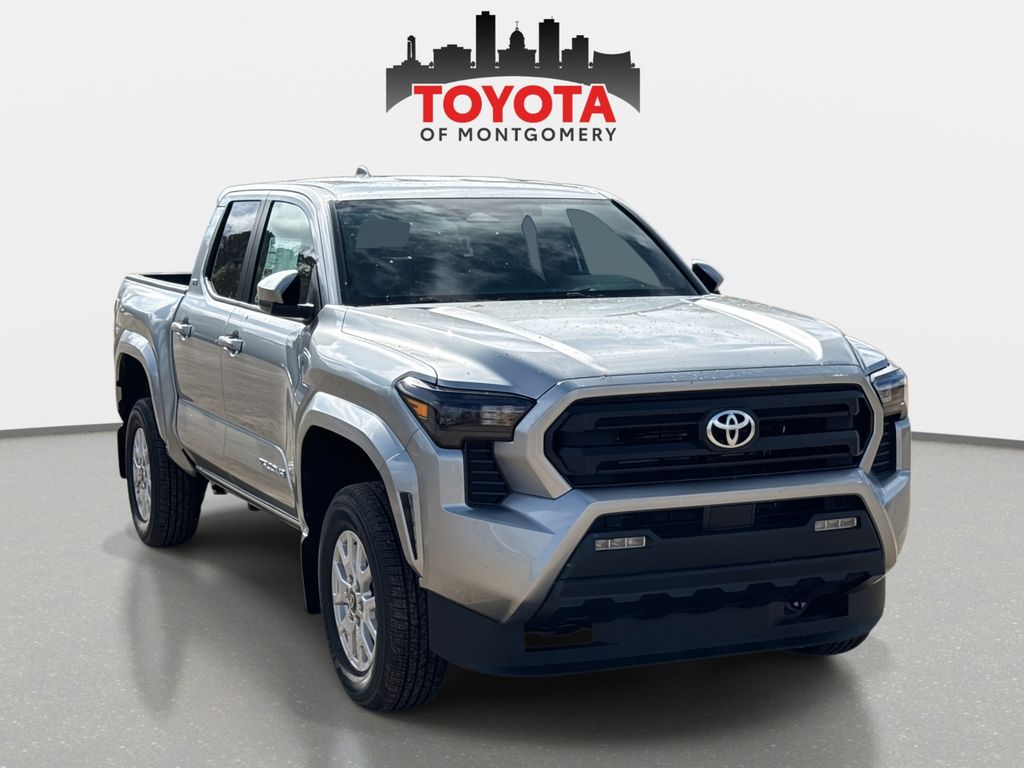
Buyers searching for used Toyotas in Montgomery can expect a broad selection across sedans, SUVs, and trucks, with options to match different budgets and preferences. Inventory typically ranges from recent-model, low-mileage vehicles to older, well-maintained examples that offer value for budget-conscious buyers. You can often find vehicles with a variety of trim levels and optional features like upgraded infotainment, driver-assist packages, and leather upholstery.
Models such as the Camry and RAV4 are commonly available due to their reputation for reliability. Local inventories, including the Toyota of Montgomery used-car listings, let customers filter by model, price, and features to find suitable options. When reviewing listings, pay attention to key details that affect value: model year, mileage, service history, number of previous owners, and whether a vehicle has been part of a certified program.
Many buyers also look specifically for hybrid variants and fuel-efficient trims—Toyota’s hybrid technology is popular because it can deliver lower running costs for daily commuters. If fuel economy is a priority, consider hybrid models or later-generation gasoline engines known for efficiency. For buyers who need towing or off-road capability, look for trucks and SUVs with appropriate towing packages, all-wheel-drive systems, and skid-plate or off-road trim options.
Multiple financing solutions are available for used Toyotas in Montgomery, including low-interest loans and flexible payment plans designed to fit different budgets. Dealers commonly work with several lenders, from local banks and credit unions to national auto-finance companies, to secure competitive financing. Compare offers to identify the best combination of term length, monthly payment, and interest rate for your situation.
Pre-approval tools simplify the process by clarifying budget and likely rates. For personalised assistance, contact 334.272.7147. Getting pre-approved before visiting the dealership helps you shop with a clear price range and strengthens your negotiating position. Pre-approval also reveals what down payment you’ll need and helps you compare dealer financing against outside offers.
When evaluating loan offers, consider the full cost of financing: the APR (annual percentage rate), loan term, and any origination fees. Shorter loan terms typically cost less in interest but raise the monthly payment; longer terms lower monthly cost but increase total interest paid. If possible, make a larger down payment to lower both the financed amount and the risk of being upside-down on the loan. For buyers with limited credit history or a lower score, consider co-signers, credit-builder programs, or credit-union membership to access better rates.
Additional finance-related protections to consider include extended warranties, GAP (guaranteed asset protection) coverage, and payment-protection plans. These products can provide peace of mind if used judiciously, but evaluate their cost versus expected benefit before adding them to a contract.
Buying a certified pre-owned (CPO) Toyota provides added assurance through a formal inspection process that verifies vehicle condition against manufacturer standards. The CPO designation signals that the vehicle has passed a structured multi-point inspection, had necessary reconditioning work completed, and meets defined age and mileage requirements set by the manufacturer.
CPO vehicles typically include extended warranty coverage and offer a near-new ownership experience at a lower cost than a new vehicle, reducing early depreciation concerns. In practice, this means many CPO Toyotas come with limited warranty extensions beyond the original factory warranty, and often include benefits such as 24/7 roadside assistance and special financing rates for qualified buyers. These extras can reduce the risk of unexpected repair bills and add convenience for long-distance travel.
When comparing CPO to non-certified used cars, review the inspection checklist and reconditioning notes. Ask the dealer for documentation of what work was performed, what parts were replaced, and how the vehicle’s condition compares to the manufacturer standard. Certified programs can be particularly valuable for buyers seeking a balance of reduced risk and price savings compared with new-car purchasing.
To improve your purchase outcome, follow proven steps and use available dealership resources.
Additional practical suggestions include running a vehicle history report for any used car you consider, arranging an independent pre-purchase inspection for non-certified vehicles, and reading recent customer reviews of the dealership’s service department. Bring a checklist to test drives and verify that advertised features are present and functional.
For inventory details or enquiries, contact Toyota of Montgomery at 911 Eastern Blvd, Montgomery, AL 36117 or call 334.272.7147 for assistance. When you call, have basic information ready—your target model, preferred trim, mileage range, and budget—to help the sales team identify suitable matches quickly.
If you prefer online research, use the dealership’s website search tools to save searches and set alerts for new listings that match your criteria. Many inventory systems allow you to compare vehicle photos, trim packages, and equipment lists so that you can shortlist vehicles before a visit.
Toyota of Montgomery typically stocks a range of popular used models that address everyday driving needs and varied preferences. Availability fluctuates with market turnover and local demand, so if you have a specific model in mind, set up a notification through the online inventory system or contact the dealer directly to ask about incoming stock.
These models reflect Toyota's focus on durability and value, making them common and practical choices in the Montgomery market. Other commonly seen models include the Corolla—a compact option for efficient commuting—and the Highlander, which offers three-row seating for larger families. Hatchbacks and hybrid models such as the Prius also appear regularly for buyers prioritizing economy.
Local inventories often include the Corolla for efficient commuting and the Highlander for larger families, reflecting steady demand for these models in Montgomery. Additionally, sportier trims or higher-equipment vehicles such as XSE Camrys or TRD Tacomas may appear periodically for buyers seeking a blend of value and performance. When shopping locally, consider which body style and cargo/passenger capacity best match your everyday needs.
Used Toyota prices vary by model year, condition, and mileage. Camry and Corolla models generally retain value; many used listings show mileages in the 30,000–50,000 range, which helps set expectations for longevity and resale. Lower-mileage, single-owner vehicles with documented service histories tend to command higher prices, while higher-mileage examples or vehicles with gaps in maintenance records are priced lower to reflect potential near-term service needs.
When comparing prices, evaluate the total cost of ownership: projected maintenance, insurance, fuel costs, and expected depreciation. This broader view helps determine whether a slightly higher purchase price for a low-mileage, well-documented vehicle is a better long-term value than a lower upfront price with unknown future costs.
The Certified Pre-Owned program provides measurable benefits for buyers considering used Toyotas. CPO vehicles are appealing because they reduce some of the uncertainty associated with used cars by offering documented inspections and manufacturer-backed assurances.
CPO vehicles pass a thorough inspection against manufacturer criteria and usually include extended warranty coverage, which reduces uncertainty about future repairs. The certification process typically addresses critical systems—powertrain, brakes, electronics, steering, and safety systems—and ensures that repairs and replacements use OEM parts where required. These inspections and reconditioning steps aim to restore the vehicle to a near-new standard of performance and reliability.
CPO Toyotas can offer better overall value than standard used cars when accounting for inspection standards and warranty protection, delivering many benefits of a nearly new vehicle at a lower price point. However, CPO vehicles often carry a price premium relative to comparable non-certified vehicles. Decide whether the premium is worthwhile by comparing documented inspection items, warranty terms, included benefits like roadside assistance, and any available special financing that may apply to CPO purchases.
Understanding available financing options makes the purchase of a used Toyota more straightforward and manageable. Dealership finance departments can structure loans with varying down payments and term lengths; external lenders provide alternative offers that may be more competitive in some situations.
Qualification for favourable financing typically requires a stable credit profile and income; exploring pre-approval with dealerships clarifies available rates and terms. Lenders consider factors such as credit score, debt-to-income ratio, and employment history. If you anticipate difficulty qualifying, prepare documents that demonstrate stable income, and consider providing a larger down payment to improve loan approval odds and secure better terms.
Key steps include assessing your budget, gathering required documents, and consulting the dealership’s finance team to identify suitable loan options and terms. Typical documents include proof of income (pay stubs), proof of residence, identification, and proof of insurance. Compare dealer financing offers to pre-approved loans from banks or credit unions to ensure you accept the best overall deal. Read finance contracts carefully, noting interest rates, loan length, prepayment penalties, and any add-on products included in the agreement.
Trading in your current vehicle can reduce the net cost of acquiring a used Toyota and simplify the transaction. To extract the most value from a trade-in, prepare the car and documentation in advance.
Trade-in begins with a dealership appraisal that considers condition, mileage, and market demand to determine the vehicle's value, which is then applied toward your purchase. Before appraisal, gather maintenance records, clear any outstanding liens, and clean the vehicle inside and out. Sellers who provide a full-service history and address minor mechanical or cosmetic issues often receive higher offers.
An appropriately valued trade-in lowers the amount financed or the cash required at purchase, improving affordability for the buyer. When negotiating, treat the trade-in value and the purchase price as separate discussions; this helps ensure you receive fair credit for your trade and achieve a transparent final deal. You can also obtain estimates from online trade-in tools and independent dealers to use as negotiation benchmarks.
Knowing available after-sales services helps owners maintain vehicle performance and protect their investment. Dealerships typically provide routine maintenance packages, repair services using genuine parts, and service reminders aligned with manufacturer recommended intervals.
Toyota of Montgomery regularly offers service specials and maintenance plans to support routine care and help control ownership costs. Specials may include discounted oil changes, tyre rotations, multi-point inspections, and seasonal checks. Maintenance plans can bundle scheduled services at a reduced rate for convenience and predictable ownership costs.
Routine services—such as oil changes, inspections, and tyre rotations—improve reliability, reduce unexpected repairs, and extend the vehicle’s service life. Following the manufacturer’s recommended intervals for fluid changes, belt inspections, and brake servicing preserves safety and performance. Maintain records of all service visits to support future resale value.
CPO cars include documented inspections and warranty coverage, whereas standard used vehicles may lack these assurances, which affects buyer confidence and risk. Non-certified vehicles may still represent excellent value when accompanied by a clean vehicle history and a reliable maintenance record, but they typically require greater due diligence—such as independent inspections—prior to purchase.
Use dealership websites, online listings, and customer reviews to compare prices and verify transparency; this research supports well-informed negotiations. Request itemised out-the-door pricing that includes taxes, registration, and any dealer fees so you can compare apples to apples. When possible, obtain multiple quotes on the same or similar vehicles to gauge fair market pricing in your area.
Local supply and demand dynamics directly affect the pricing and availability of used Toyotas in the region. Factors such as the seasonal demand for certain vehicle types (for example, SUVs in winter months where road conditions are a concern) and the rate at which drivers in the area trade vehicles influence turnover and pricing.
Demand has increased for SUVs like the RAV4 due to family and outdoor-use preferences, which can influence pricing and inventory turnover. In markets where outdoor recreation and towing are common, pickups and SUVs with towing packages may retain higher relative value and sell more quickly than compact sedans. Pay attention to local classifieds and dealership turnover to see which segments move fastest.
Regional economic indicators—such as employment levels and consumer spending—affect dealership pricing strategies and the financing terms that are offered locally. In stronger local economies, dealers may price vehicles more aggressively due to higher demand, while tighter economic conditions can lead to promotions and incentives designed to stimulate sales. Keep an eye on market signals and be prepared to act when favorable inventory or financing appears.
Buyers can review used Toyota inventory both online and in person at local dealerships to compare options and inspect vehicles directly. Start with online searches to create a short list, then schedule in-person visits and test drives for vehicles that meet your criteria. Inspect the vehicle in daylight and, if possible, on varied road types to better evaluate handling and comfort.
Dealership websites, including Toyota of Montgomery’s inventory tools, allow filtering by model, price, mileage, and features to narrow suitable listings efficiently. Use VINs provided in listings to run independent vehicle history reports, which reveal title status, reported accidents, service history, and odometer records. Reading multiple photo angles and any available inspection reports helps set expectations prior to a visit.
Customers can schedule test drives and service appointments online or by contacting the dealership, which helps ensure availability and a focused visit. When booking, specify which vehicle(s) you want to drive so the dealership can prepare the car and relevant documentation. For service appointments, provide your vehicle’s model year and VIN if asked so the service team can recommend appropriate maintenance actions and parts.
Consider the vehicle’s history, mileage, and any previous damage. Review the total cost of ownership, including likely maintenance and insurance. Prefer certified pre-owned options when available for added inspection and warranty coverage, and compare models to match your needs. Also check the vehicle’s service records, verify the VIN, and test all major systems during a test drive.
To strengthen financing prospects, maintain a stable credit profile, seek pre-approval, and prepare documentation of income and expenses. Compare lender offers and consult dealers that provide flexible financing solutions. Consider a larger down payment to reduce loan-to-value, and review credit reports in advance to correct any errors that might affect approval.
Research the model beforehand and list features to evaluate, such as comfort and handling. Bring your driver’s licence and any required insurance information, and consider taking a companion for an additional perspective. During the drive, test acceleration, braking, steering response, and listen for unusual noises. Check interior features like climate control, infotainment, and safety systems for proper function.
Yes. Account for sales tax, registration, insurance, and potential maintenance or immediate repairs. If financing, include interest and loan fees in your budget to avoid surprises. Additionally, consider the cost of replacements like tyres, brake pads, and batteries that become due depending on the vehicle’s service history and mileage.
Prioritise regular oil changes, brake checks, tyre rotations, and fluid inspections. Review the vehicle’s service history to address upcoming maintenance and help preserve reliability. For higher-mileage vehicles, pay attention to timing belt/chain service intervals, transmission service recommendations, and cooling-system maintenance.
Online platforms offer convenience and wider selection with transparent listings, while traditional dealerships provide in-person inspections, test drives, and direct assistance from sales staff. Evaluate both options to determine which best meets your needs. Use online tools to research pricing and vehicle history, then reserve in-person visits for final inspections and negotiations.
 EN
EN ES
ES