
By Toyota Montgomery, Toyota of Montgomery. Securing an affordable Toyota auto loan requires a clear understanding of available financing paths and the services offered by Toyota of Montgomery. This article explains Toyota financing options and details the dealership’s support for applicants. It answers common questions about interest rates, eligibility, and application steps so you can make informed decisions and pursue vehicle ownership with confidence.
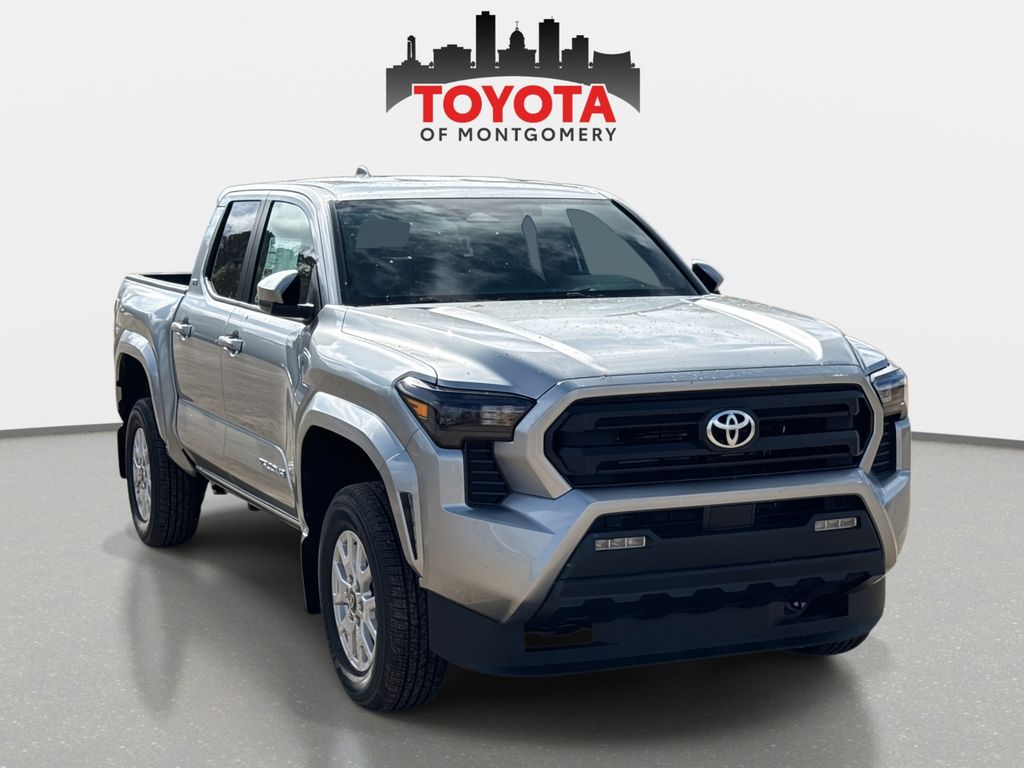
Toyota provides multiple financing methods, including traditional loans, lease agreements, and special financing programs. Each option is structured to address different budgets and ownership preferences while offering specific advantages.
Toyota of Montgomery offers tailored financing solutions and advisor support to match customers with appropriate plans. Their team helps clarify terms and identify the option that aligns with your financial priorities.
Beyond the basic loan-or-lease choice, special programs can include manufacturer rebates, seasonal promotions, or offers targeted at specific buyer groups, such as recent graduates or those with military service. These programmes often modify down-payment requirements or provide temporary rate reductions; discussing available packages with a financing advisor helps you determine eligibility and potential value.
Choosing the right financing route is about matching a product to your use case: whether you prioritize lower monthly cost, eventual ownership, or predictable short-term expenses. Dealers can often package trade-in value, incentives, and financing into a single offer that may outperform standalone bank financing for some buyers.
Interest rates and term length are primary determinants of a loan’s affordability. Lenders assess factors such as credit history and loan duration when setting rates, so stronger credit profiles typically yield lower rates.
Loan durations for Toyota vehicles commonly range from 36 to 72 months. Shorter terms reduce total interest paid but raise monthly payments; longer terms lower monthly payments but increase overall interest. Evaluate both outcomes to select the most suitable structure.
The table below compares various loan terms and their corresponding interest rates as of October for Toyota auto loans:
| Loan Term | Average Interest Rate | Monthly Payment for $20,000 Loan |
|---|---|---|
| 36 Months | 6.0% | $609 |
| 48 Months | 6.5% | $478 |
| 60 Months | 7.0% | $396 |
| 72 Months | 7.5% | $339 |
This comparison highlights how term length affects interest and monthly obligations, and underscores the value of comparing offers to find the most cost-effective option.
Understanding the components of an advertised rate helps you compare offers accurately. Annual Percentage Rate (APR) includes interest plus certain fees and expresses the total yearly cost of borrowing. When evaluating a loan offer, confirm whether the quoted rate is the APR or a simple interest rate, and ask for a breakdown of fees and any required insurance or warranties bundled into the financing.
To estimate how terms translate into payments, use the loan amount, APR, and term to compute monthly obligations. The numbers in the table illustrate typical monthly payments for a $20,000 loan; actual amounts vary with down payment, taxes, and fees. If you plan to make extra payments or pay the loan off early, check for prepayment penalties that could affect overall savings.
Lenders evaluate credit score, income, and employment history when determining eligibility for a Toyota auto loan. These elements inform the lender’s assessment of your capacity to repay.
Applicants should prepare documentation such as proof of income, residency, and identification. Checking and, if needed, improving your credit score before applying can increase the likelihood of favourable terms.
Credit evaluation also considers recent credit inquiries, credit mix, and outstanding debt levels. Before applying, request a copy of your credit report to verify accuracy, dispute any errors, and address collections or unexpected balances. Even modest improvements in reported credit behaviour—like lowering credit-card utilization or resolving outstanding accounts—can have a meaningful effect on offers.
Applying for a Toyota auto loan is more efficient when you follow a clear process:
Following these steps will streamline the application and improve your readiness for lender review.
Practical tips for each step: when checking your credit, obtain reports from major bureaus and note any discrepancies; when gathering documents, include recent pay stubs, tax returns if self-employed, and a valid driver’s license. While exploring options, ask for sample loan disclosures to compare APR, term length, monthly payment, and total cost. Applying online can speed approval and sometimes provide preliminary offers you can use when negotiating at the dealership. When reviewing offers, compare the total interest paid over the loan term in addition to monthly cost.
Beyond the loan itself, factors such as trade-in value, total cost of ownership, and anticipated maintenance expenses affect the vehicle’s overall affordability and long-term cost.
Reviewing these components and consulting with experienced professionals can clarify your financial outlook and support prudent purchasing decisions.
A complete affordability assessment should include fuel economy, expected routine maintenance, tire replacement cycles, insurance costs for the model and trim, registration fees, and any extended-warranty costs you may elect. Trade-in value reduces the financed amount but evaluate separate offers for selling versus trading in to understand which approach maximizes your net proceeds.
Consider creating a short spreadsheet that lists purchase price, down payment, incentives, estimated monthly payment, insurance, fuel, and maintenance to see the total monthly and annual ownership cost. This clearer picture helps you decide whether a longer loan term is worth the lower monthly payment or whether a larger down payment better suits your long-term finances.
In Montgomery, Toyota offers customizable financing plans for new vehicles that accommodate different budgets. Current promotions and dealer incentives may further reduce the cost of financing and improve monthly affordability.
Dealer incentives can include cash rebates, low-rate financing for qualifying buyers, and manufacturer-backed lease deals. These offers change seasonally and may be model-specific, so request up-to-date incentive listings and ask whether incentives apply to the model and trim you are considering.
Loan terms and interest rates for new models can vary with factors such as model demand and market supply. Knowing the specific rates for a given model helps you compare financing options accurately.
When a model is in high demand, dealer incentives may be smaller, but competitive financing can still be found by shopping across multiple dealerships or seeking preapproval from a credit union or bank. Preapproval provides a baseline offer you can bring to the dealer to negotiate total purchase price and financing together.
Dealer financing can offer benefits like personalised service, manufacturer incentives, and a range of programme options that may not be available through traditional banks. These features can simplify the process and improve affordability for some buyers.
Dealers often have access to manufacturer rates and special promotional programs that may not exist at local banks. Conversely, external lenders can provide competitive offers in some cases, so comparing a dealer’s proposal with independent bank or credit union preapproval helps ensure you receive the best net package.
Financing is available for Toyota certified pre-owned vehicles and often includes competitive rates alongside the reliability benefits associated with certified inspection and warranty coverage.
Certified pre-owned (CPO) vehicles typically undergo multi-point inspections and are accompanied by extended warranties and documented maintenance histories. These features can reduce some of the financing risk lenders consider when setting rates.
Certified pre-owned financing typically offers lower purchase costs than new vehicles, extended warranty coverage, and vehicles that have passed detailed inspections to verify quality.
CPO vehicles often come with certification paperwork that lenders view favorably, and the additional warranty coverage can simplify post-purchase ownership costs. Because the purchase price is lower than a new model, monthly payments can also be reduced even if interest rates for used vehicles are slightly higher.
Used-vehicle loans often have shorter maximum terms and marginally higher interest rates due to increased lender risk. Understanding these distinctions helps when assessing total cost and monthly payment options.
If you choose a shorter term, the higher monthly payment can be offset by savings in total interest. When comparing new and used options, balance monthly affordability against total cost and length of ownership to determine which path is most economical for your needs.
Lenders review factors such as credit history, income stability, and debt-to-income ratio during approval. A stronger financial profile generally results in more favourable loan conditions.
Consistent employment history and documented, stable income can speed approval and improve available rates. Self-employed buyers should prepare tax returns and year-to-date profit statements to demonstrate repayment capacity.
A higher credit score improves the likelihood of approval and access to lower interest rates. Lower scores may lead to higher rates or additional lending conditions.
Rather than focusing solely on the numerical score, lenders examine recent payment history, available credit, and accounts in collections. Addressing late payments and reducing high revolving balances before applying tends to have a faster effect on qualifying terms than opening new accounts.
Typical requirements include proof of income, identification, and residency documentation. Providing a down payment can strengthen your application and reduce the financed amount.
A realistic down-payment target reduces principal, which lowers monthly payments and total interest. If you have cash reserves, weigh the benefit of a larger down payment against preserving emergency funds. Lenders usually disclose required documents in advance; preparing originals and digital copies speeds the underwriting process.
Local loan rates and terms in Montgomery are competitive and can vary by dealer incentives and regional promotions. Comparing local offers provides better insight into current financing conditions.
It is valuable to obtain multiple quotes—dealer financing, bank, and credit union—to compare APRs, included fees, and total cost over the life of the loan. Local promotions may include tax or title discounts that improve the overall package.
Recent analyses show that average interest rates for Toyota loans in Montgomery hover around 6.0% to 7.5% for varying loan terms. Local promotions and dealer incentives can play an essential role in reducing overall financing costs.
When comparing offers, request the full financing disclosure that shows APR, principal, term length, monthly payment, and total finance charges. This transparency helps you compare true cost rather than focusing only on the monthly amount.
Financing incentives and regional discounts can lower monthly payments or reduce the financed amount. Reviewing available promotions may reveal meaningful savings for your purchase.
Incentives can take different forms—cash-back rebates, low-interest rates for qualified buyers, or deferred payments. When evaluating such incentives, determine whether they apply to your purchase and how they interact with trade-in values and other dealer offers.
Toyota of Montgomery provides online tools and resources to clarify budget options, including payment estimators and informational guides to assist buyers in planning.
These tools often let you modify term length, APR, and down payment to see how each factor affects monthly payments and total cost. Use the calculators to test scenarios—such as a larger down payment or a shorter term—to find a balance that fits your monthly budget while minimizing long-term interest expense.
Loan calculators let you test different terms and interest rates to estimate monthly payments and total cost. They are useful for comparing scenarios and setting realistic budgets.
When using a calculator, include sales tax, registration fees, and any dealer charges to get the most accurate monthly estimate. Some calculators also allow you to include trade-in value and estimated rebates to reflect your likely financed amount.
Toyota of Montgomery offers loan packages tailored to a range of buyers, including first-time purchasers and customers needing specialised financing arrangements to improve affordability.
Examples of tailoring include lengthening terms to lower payments for buyers on a tight monthly budget, or creating structured payment plans for buyers with irregular income patterns. Discuss your situation candidly with a financing specialist to identify programmes compatible with your goals.
Leasing typically results in lower monthly payments compared with traditional loans; however, it does not provide vehicle ownership at term end and often includes mileage limits and other restrictions.
If you enjoy driving a new vehicle every few years or prefer lower up-front costs, a lease can be attractive. If you plan to retain the vehicle beyond typical lease terms or drive long distances annually, purchasing often becomes more economical once mileage and end-of-lease fees are considered.
Leasing can reduce upfront costs and offer flexibility to change vehicles more often, while purchasing leads to eventual ownership and no mileage penalties. Choose based on long-term goals and expected usage.
Consider residual values, expected ownership duration, and how much you drive annually. Leasing keeps monthly costs lower in many cases, but buying eliminates ongoing payments after the loan is paid off and builds equity in the vehicle.
Most Toyota models are available for both lease and loan financing, granting buyers flexibility to select the arrangement that best fits their financial and usage preferences.
Eligibility for lease programs may be tied to manufacturer promotions and model popularity. Confirm availability of lease programs for your preferred model and the mileage and wear guidelines that govern end-of-lease assessments.
The credit approval process and subsequent loan management often prompt questions about maintaining payments, understanding terms, and protecting credit. Educating yourself on these topics supports effective loan stewardship.
Key management practices include setting up automatic payments to avoid missed due dates, keeping an emergency fund to cover unexpected shortfalls, and periodically reviewing your loan statement to ensure accurate application of payments and fees.
Improving your credit score, preparing required documents, and making a larger down payment can increase the likelihood of approval and may secure better terms.
In addition, reducing monthly debt obligations and avoiding new credit inquiries in the months before applying can help improve debt-to-income ratios and reduce perceived lending risk. If you have a co-signer or co-borrower with a strong credit history, discuss whether that option fits your financial plan.
Toyota of Montgomery provides post-approval support, including service coordination and customer assistance throughout ownership to help maintain vehicle performance and satisfaction.
Services commonly include scheduled maintenance reminders, genuine parts and service, and assistance coordinating warranty or recall repairs. Maintaining service records in line with manufacturer recommendations can also support resale value and warranty coverage.
For expert automotive service and financing assistance, Toyota of Montgomery is available at 911 Eastern Boulevard, Montgomery, AL 36117, and can provide guidance across purchasing and ownership needs.
Contact the dealership to schedule test drives, ask for a finance consultation, or obtain an up-to-date list of promotions. Bringing documentation for preapproval or trade-in appraisal can streamline the in-person visit.
From financing and purchase to scheduled maintenance and service, Toyota of Montgomery offers ongoing support to ensure a consistent and reliable ownership experience.
They can help coordinate extended warranty options, recommend maintenance plans tailored to your driving habits, and provide transparent service pricing. These resources help preserve vehicle condition and reduce unexpected ownership costs over time.
The key difference is ownership: a loan leads to ownership after the finance term ends, while a lease permits use of the vehicle for a set period without ownership. Leasing commonly has lower monthly payments but includes mileage limits and does not build equity.
Yes. Refinancing is an option if rates fall or if your credit profile improves. Refinancing can lower your rate, reduce monthly payments, or change the term, but it is important to evaluate fees and net benefit before proceeding.
Expect to provide personal details, financial documentation, and vehicle information. Lenders will assess creditworthiness based on credit score, income, and existing obligations. Decisions are often provided promptly but may require additional documentation.
Toyota of Montgomery frequently offers programmes tailored to first-time buyers, including flexible financing terms and reduced down payment options. Contact the dealership for current offers and eligibility requirements.
A trade-in reduces the amount you need to finance by applying its value against the purchase price, which can lower monthly payments. In many cases, tax savings apply because sales tax is calculated on the difference between the new vehicle and the trade-in.
If you cannot make payments, contact your lender immediately. Lenders may offer deferment, loan modification, or repayment plans. Failure to address missed payments can lead to repossession and adverse credit consequences.
Additional fees may include loan origination, documentation charges, or prepayment penalties. Review the loan contract carefully and account for insurance and taxes when calculating the total cost of financing.
 EN
EN ES
ES